Category: Workplace Issues

  • Dubai’s Workplace Sexual Harassment Statistics

    Dubai’s Workplace Sexual Harassment Statistics

    Are workplace sexual harassment incidents in Dubai really rare? Recent data shows a complex picture. It highlights the legal and social views on this big issue1.

    The UAE says there are few sexual crimes against women, with only 1.5 incidents per 100,000 people. But, the real situation might be different. Laws like Article 407 of the UAE Penal Code punish indecent assault with jail and big fines1. Yet, many cases might not be reported because of cultural reasons and fear of getting back at them.

    Key Takeaways

    • The UAE has strict laws against workplace sexual harassment, with serious penalties123.
    • The UAE Labour Law stops discrimination at work, making sure everyone is treated fairly1.
    • If you face harassment, tell HR, go to the police, or report to the Ministry of Human Resources and Emiratisation1.
    • Companies must look into harassment claims and take steps to stop it from happening again1.
    • Even with laws, the real number of workplace harassment cases in Dubai might be hidden by not reporting and cultural beliefs.

    Introduction to Sexual Harassment in Dubai Workplaces

    In Dubai, the topic of sexual harassment at work has become more important. The city aims for a professional and welcoming work place. It’s key to know what sexual harassment is, its types, and the laws about it4.

    Definition and Types of Sexual Harassment

    Sexual harassment in Dubai means any unwanted sexual advances or requests. It also includes physical or verbal behavior of a sexual nature4. There are many ways it can happen, like through words, actions, or even just looks4.

    Laws and Penalties for Sexual Harassment in Dubai

    The UAE has strong laws against sexual harassment at work. These laws cover many types of harassment and have serious penalties5. There are also laws about sexual harassment online5.

    Companies in Dubai should have clear rules against bullying and harassment. They should encourage people to speak up and check how everyone feels at work5.

    More people are now standing up against harassment at work. This makes it important for employers to take action. They need to make sure their workplaces are safe and welcoming for everyone5.

    Prevalence of Workplace Sexual Harassment in Dubai

    Workplace sexual harassment is a big problem worldwide. In Dubai, it’s a complex issue. A survey found 45% of women and 20% of men in finance felt harassed at work6. Sadly, 60% of these cases were by someone higher up6. But, only 30% told their bosses or HR about it6.

    Many don’t report harassment in Dubai or elsewhere. In Malta, 27.7% said they faced sexual harassment at work7. Many don’t speak up because they’re scared or don’t want trouble. Small companies might not take it seriously7.

    Even with tough laws in Dubai, half of people didn’t know how to report harassment6. This shows we need more education on the topic.

    Companies in Dubai have mixed results. 70% of DIFC firms have anti-harassment policies6. But, only 40% train employees on how to prevent it6. We need better policies and training to help employees.

    Reported Cases and Statistics

    Reports from Dubai are worrying. Most cases were about bad comments or gestures, and some involved touching6. We need strong plans to tackle all kinds of harassment at work.
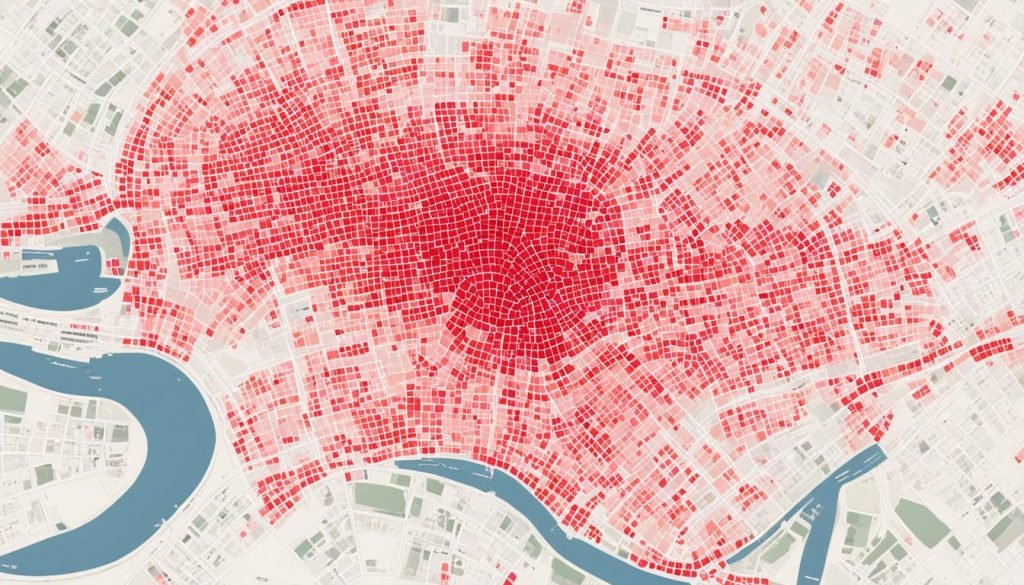
    dubai workplace harassment data

    Workplace sexual harassment is a big issue in Dubai. Many victims don’t speak up. We need a strong approach to fix this. Creating a supportive work culture is key to making a safe place for everyone6.

    This info comes from a Dubai finance sector survey7. A Malta survey by the National Statistics Office also found similar issues.

    Impact of Sexual Harassment on Dubai’s Workforce

    Dubai workplace harassment incidents and dubai sexual misconduct at work affect many people. These issues can make the workplace toxic for women. Any behavior that makes work hard or creates a bad work place can be reported8.

    The UAE is working hard to stop dubai office harassment numbers and dubai harassment reporting mechanisms. They want to make work safe and comfy for women9. This shows the government’s effort to help everyone, men and women, do well at work.

    Migrant workers make up a big part of Dubai’s workers89. They face a lot of challenges, including sexual harassment. Fixing these problems is key to making work fair and welcoming for everyone in Dubai.

    Key FindingsImpact
    Migrant laborers make up about 95 percent of the UAE’s workforce8.They are more likely to be exploited and abused, including being sexually harassed.
    Domestic workers often work long hours without breaks, earning little money9.This makes them very vulnerable and powerless to stop or report harassment.
    The UAE helps in the exploitation of migrant workers by locking them up upon arrival9.This makes migrant workers feel less human and more at risk of sexual harassment and abuse.

    To fight sexual harassment in Dubai, we need to look at many things. We must protect workers better, make it easy to report problems, and build a culture of respect. This way, everyone can work in a safe and welcoming place.

    Dubai workplace harassment

    Dubai’s Efforts to Combat Workplace Sexual Harassment

    The UAE government has made big steps to tackle workplace sexual harassment. In 2018, they passed a law on equal pay for women and men10. This law says women and men doing the same job should get the same pay10.

    Government Initiatives and Policies

    The UAE has started many programs to protect workers and make workplaces safe. They have laws to protect people with disabilities and support their employment rights10. They also have a policy against abusing people with disabilities, making sure they get the care they need10. A new law in 2023 even stops sexual and other bad behaviors at work10.

    Corporate Harassment Policies and Training

    Companies in Dubai are also fighting against workplace harassment. They have rules and training to help stop it. These rules make sure workplaces are safe and respectful11. If bosses talk down to workers or yell at them, they can get in big trouble11.

    Workers in Dubai are told to stand up for their rights and report harassment. They can report it on the Dubai Police website11.

    dubai workplace harassment cases

    The government and companies in Dubai are working hard to make a safe place for everyone at work12. They’ve made a lot of progress, moving up on a list that measures women’s rights in business12.

    workplace sexual harassment statistics in dubai

    Dubai has made big steps to tackle workplace sexual harassment. The UAE now has laws against sexual and bullying behavior at work13. This move aims to make the workplace safer and fairer for everyone.

    The HR Roundtable in Dubai brings together HR Managers to talk about work laws and share tips13. It helps HR Managers share new ideas and tackle the challenges of work laws and changes in the UAE13.

    At the HR Roundtable, they talk about different kinds of harassment and how to handle complaints13. They also discuss how to prove harassment claims. This shows Dubai’s effort to fight workplace sexual harassment and make work safe and welcoming for everyone.

    Recent data shows the UAE has a low rate of sexual crimes against women14. But, there are many types of sexual harassment, like verbal and physical, and even rape14. These are covered by the UAE’s laws, with different punishments for each type.

    Sexual harassment at work can be many things, like touching or sending bad messages14. Men can also face this kind of harassment, and it’s against the law14. If you’re harassed at work in Dubai, you can report it to the police, HR, or the Ministry of Human Resources & Emiratisation (MOHRE) on 8006014.

    dubai workplace equality initiatives

    Dubai is taking strong steps to stop workplace sexual harassment. With new laws, HR Roundtables, and reporting options, Dubai is working hard to make the workplace safe and fair for everyone.

    Reporting Mechanisms for Workplace Sexual Harassment

    If you’ve faced or seen sexual harassment at work in Dubai, knowing how to report it is key. The steps to file a complaint can change based on your workplace’s rules. But, there are ways to report these issues.

    Procedure for Filing Complaints

    Start by telling the police and making a formal complaint15. You can also talk to your company’s human resources team. Most places in the UAE have rules for dealing with these issues15.

    You can also call the Ministry of Human Resources & Emiratisation (MOHRE) at 80060 for help15. They can guide you on how to file your complaint.

    The UAE now makes employers look into harassment claims and act if needed, like firing the bad employee16. This shows that harassment won’t be ignored and protects victims.

    dubai workplace harassment
    “The new UAE regulations require employers to investigate complaints thoroughly and take appropriate disciplinary actions, including termination, against offending employees.”

    Knowing how to report these issues helps make sure your concerns are heard. It also helps take steps to stop sexual harassment at work in Dubai1516.

    Cultural Attitudes and Societal Norms

    In the United Arab Emirates (UAE), cultural attitudes and norms make fighting sexual harassment in Dubai workplaces hard. Research shows that women who report harassment face public doubt instead of support17.

    The UAE is trying to stop workplace sexual harassment. But, there are still many sexual misconduct cases. Victims don’t speak up because of social shame18.

    Cultural attitudes towards harassment in Dubai link with low sexual harassment rates in Dubai workplaces. Victims are scared of social backlash and don’t trust reporting systems1718.

    To fix this, we need a plan that includes laws, public education, helping victims, and teaching respect in Dubai’s business world19.

    StatisticValue
    Women in UAE labor force10%
    Women who experienced domestic violence30%
    Domestic workers employed in the UAEApproximately 750,000
    Domestic workers per Emirati household3 on average
    Domestic workers that are femaleApproximately 80%
    Domestic workers as a percentage of total UAE population8%

    The issues with cultural attitudes towards harassment in Dubai and dubai sexual misconduct cases show we must keep working. We need a place where all employees, men and women, feel safe and supported171819.

    dubai workplace harassment
    “When women try to report harassment, they are often subjected to public scrutiny and questioning, rather than receiving the support and understanding they deserve.”

    The cases of dubai companies facing harassment lawsuits show we need to change how society sees things. We must work hard to lower sexual harassment rates in dubai workplaces171819.

    Support Services for Victims of Workplace Harassment

    In Dubai, the government and legal bodies have made big steps to help victims of workplace harassment. It’s key to know the law so victims can get the right legal help and make the bad guys pay20. The UAE works hard to make the country safe for everyone, especially women20.

    Legal Aid and Counseling

    The UAE has set up support services for those hurt at work. For example, it made a deal to give free healthcare to victims living in a shelter in Abu Dhabi21. But, some say the government should do more to help labor trafficking victims, like those who faced sexual harassment at work.

    Victims in Dubai can get help with legal aid and counseling. These services help victims understand the law, get emotional support, and feel safe again. Companies in Dubai are told to have clear rules and ways to report harassment. This makes the workplace safe and welcoming for everyone20.

    dubai workplace harassment policies
    “The UAE authorities continuously strive to make the country a safe place to live and work for all, including women.”

    Challenges in Addressing Workplace Sexual Harassment

    Dealing with sexual harassment at work in Dubai is tough. Many women don’t report it because they fear the consequences. They might lose their job or face public shame22.

    There’s also a problem with understanding the difference between labor trafficking and simple labor issues. Often, these cases are handled in ways that don’t punish the bad guys enough23. Officials need better training to tackle these issues right.

    Even though there are laws against sexual harassment, they’re not always followed. The laws say there can be up to a year in jail and a big fine22. But, making sure these laws are followed is hard.

    workplace harassment cases dubai

    Changing the way people think about sexual harassment is key. We need a work culture that values respect and equality. This will make the workplace safer for everyone in Dubai.

    Role of the #MeToo Movement in Dubai

    The #MeToo movement started in 2017 and brought attention to sexual harassment and gender inequality worldwide24. The UAE has improved gender equality with legal changes25. But, the impact on Dubai’s workplace and women’s rights is still being studied25.

    The movement showed how common sexual harassment is in many fields like entertainment, politics, and business24. In the UAE, many people have faced or seen26. But, there’s not much data, and many victims don’t speak up, showing we need to understand this issue better25.

    The #MeToo movement also pointed out gender gaps in the workplace, like unequal pay and limited career growth24. The UAE has made laws to stop workplace sexual26. But, we’re still worried about making a fair work place for all women, including migrant workers25.

    The UAE is working towards more gender equality, and the #MeToo movement could help speed up this change24. By fixing the gaps in how things work and listening to all women, the UAE can make a better work place for everyone25.

    “The #MeToo movement has been a significant and crucial development in addressing sexual harassment issues, but there is still much work to be done to ensure that all women, regardless of their background, are treated with the respect and dignity they deserve.”

    Best Practices for Preventing Workplace Sexual Harassment

    Dealing with workplace sexual harassment in Dubai needs a full plan. New rules27 make workplaces in Dubai responsible to stop sexual harassment from October 26, 2024. Sexual harassment means unwanted actions that make someone feel bad or make the workplace uncomfortable27.

    Employer Responsibilities

    Employers in Dubai must make a safe and welcoming workplace27. They can be held responsible for what their workers or partners do, but they can defend themselves if they tried hard to stop it27. Now, employers must offer training and have strong policies against sexual harassment28. They also need to look into complaints and punish those who do wrong28.

    Employee Awareness and Training

    Teaching employees is key to fighting sexual harassment at work in Dubai28. Laws changed in September 2021 to make punishments for sexual harassment stricter28. Workers need to know their rights, what sexual harassment is, and how to report it28. Training and campaigns can make a workplace where everyone respects each other and feels safe to speak up28.

    Types of Sexual HarassmentExamples
    VerbalUnwanted sexual comments, jokes, or questions
    Non-verbalUnwanted sexual gestures, staring, or displaying sexually explicit materials
    PhysicalUnwanted touching, hugging, or blocking someone’s path

    By following these steps, Dubai companies can make a toxic workplace dubai free from hostile work environment dubai. They can make sure workers feel safe to report any dubai corporate harassment without fear2728.

    workplace harassment dubai
    “Workplace sexual harassment is a complex issue that requires a collaborative effort between employers and employees to create a safe and inclusive work environment. By addressing this challenge head-on, we can build a more respectful and productive workplace culture in Dubai.”

    Conclusion

    The UAE is working hard to stop workplace sexual harassment with strict laws and ways to report it29. Even though changing old ways and helping victims more can be tough, the UAE is making good steps30. It wants to make workplaces safe and fair for everyone, especially women30.

    Research on30 82 women migrant workers showed they face a lot of problems like sexual harassment and not getting paid fairly30. The UAE is trying to help with better laws, ways to report problems, and training for companies30.

    The UAE aims to keep getting better and solve problems for migrant workers, especially women29. It’s important to fight against29 discrimination and make sure everyone has access to justice and respects human rights29. This way, the UAE can lead by example in fighting workplace sexual harassment and building a place where everyone feels included and empowered.

    Source Links

    1. UAE: How to report workplace harassment – https://gulfnews.com/living-in-uae/ask-us/uae-how-to-report-workplace-harassment-1.1695910748572
    2. UAE: Harassing Women at Workplace Can Result in a Minimum Fine of Dh10,000 and Over One Year in Jail – https://focus.hidubai.com/uae-harassing-women-at-workplace-can-result-in-a-minimum-fine-of-dh10-000-and-over-one-year-in-jail/
    3. UAE Strengthens Workplace Harassment Laws: Women Empowered to Speak Up – Legalcommunity MENA – https://legalcommunitymena.com/uae-strengthens-workplace-harassment-laws-women-empowered-to-speak-up/
    4. Dear Worker – Know Your Rights | Awareness and Guidance | Media Center | Ministry of Human Resources & Emiratisation – https://www.mohre.gov.ae/en/media-center/awareness-and-guidance/workers-rights.aspx
    5. How to deal with harassment claims in the UAE : Clyde & Co – https://www.clydeco.com/en/insights/2019/03/dealing-with-harassment-claims-in-the-uae
    6. How to Address Workplace Discrimination and Harassment in DIFC – https://hzlegal.ae/how-to-address-workplace-discrimination-and/
    7. Sexual Harassment in the Workplace – Zero Tolerance! – https://www.csbgroup.com/articles/sexual-harassment-in-the-workplace-zero-tolerance/
    8. Human rights and health disparities for migrant workers in the UAE – https://www.hhrjournal.org/2013/08/human-rights-and-health-disparities-for-migrant-workers-in-the-uae/
    9. UAE Migrant and Domestic Workers Abuse | Americans for Democracy & Human Rights in Bahrain – https://www.adhrb.org/2019/05/uae-migrant-and-domestic-workers-abuse/
    10. Anti-discrimination laws and policies | The Official Portal of the UAE Government – https://u.ae/en/information-and-services/justice-safety-and-the-law/anti-discrimination-laws-and-policies
    11. Ensuring Employee Rights: Legal Recourse for Verbal Abuse in UAE Workplace – https://thelawreporters.com/ensuring-employee-rights-legal-recourse-for-verbal-abuse-in-uae-workplace/
    12. UAE: The sky is the limit for gender reform – https://blogs.worldbank.org/en/arabvoices/gender-reforms-united-arab-emirates
    13. HR Roundtable in Dubai: Workplace Harassment: Myths vs. Facts | ELLINT – https://ellint.net/event/hr-roundtable-in-dubai-workplace-harassment-myths-vs-facts/
    14. Sexual Harassment Punishments in the UAE, Sexual Crime Laws – https://bineidlawfirmuae.com/sexual-harassment-punishments-in-the-uae/
    15. Culture in professional services firms: New duty to prevent sexual harassment : Clyde & Co – https://www.clydeco.com/en/insights/2024/07/culture-in-professional-services-firms-new-duty-to
    16. How Can Employees Recognize And Address Yelling And Harassment In The UAE? – https://www.mondaq.com/discrimination-disability-sexual-harassment/1394720/how-can-employees-recognize-and-address-yelling-and-harassment-in-the-uae
    17. Sexual Harassment in the Workplace: Consequences and Perceived Self-Efficacy in Women and Men Witnesses and Non-Witnesses – https://www.mdpi.com/2076-328X/12/9/326
    18. Dubai Sexist Laws – Understanding Gender Discrimination in Dubai – https://lavozdecipolletti.com/dubai-sexist-laws-understanding-gender-discrimination-in-dubai/
    19. Microsoft Word – MA Thesis Submission w Revisions – Sarah AlZaabi.docx – https://academiccommons.columbia.edu/doi/10.7916/d8-54g9-6h96/download
    20. Research – https://www.dfwac.ae/research
    21. Workplace Bullying In UAE Is Rising. Here,s What You Can Do. – Wirestork – https://wirestork.com/workplace-bullying-in-uae/
    22. UAE adopts tough penalties for sexual harassment – https://gulfnews.com/uae/government/uae-adopts-tough-penalties-for-sexual-harassment-1.67956687
    23. Safeguarding Employees from Discrimination – Legal Developments – https://www.legal500.com/developments/thought-leadership/uae-labour-laws-safeguarding-employees-from-discrimination/
    24. The #MeToo Movement: Empowering Women – https://different-level.com/the-metoo-movement-empowering-women/
    25. Misuse of MeToo can destroy reputations, Soha tells UAE fans – https://gulfnews.com/going-out/society/misuse-of-metoo-can-destroy-reputations-soha-tells-uae-fans-1.2297745
    26. #MeToo: A survey says nearly 80% women never report harassment – https://m.economictimes.com/news/politics-and-nation/metoo-a-survey-says-nearly-80-women-never-report-harassment/articleshow/66230706.cms
    27. Culture in law firms: New duty to prevent sexual harassment : Clyde & Co – https://www.clydeco.com/en/insights/2024/07/culture-in-law-firms-new-duty-to-prevent-sexual-ha
    28. Al Adl Legal – https://aladllegal.com/news/uaes-amended-penal-code-to-combat-sexual-harassmen/
    29. World Report 2022: Rights Trends in United Arab Emirates – https://www.hrw.org/world-report/2022/country-chapters/united-arab-emirates
    30. Jess Edited – Fauziat Final Report – https://www.socialconnectedness.org/wp-content/uploads/2019/10/Migrant-Workers-in-the-United-Arab-Emirates-Final-Report-1.pdf
  • US Workplace Sexual Harassment Statistics

    US Workplace Sexual Harassment Statistics

    Ever thought about how common sexual harassment is in American workplaces? The numbers might shock you. I looked into the latest stats on workplace sexual harassment in the US. What I found was quite surprising.

    From 1997 to 2021, a huge 305,888 sexual harassment cases were filed with the Equal Employment Opportunity Commission (EEOC)1. This is just the tip of the iceberg. It’s thought that only 6-13% of victims of sexual misconduct at work report it, meaning many cases go unreported1.

    Sexual harassment happens a lot in different jobs. The most common place for it is in the accommodation and food services sector, making up 14% of all harassment cases2. This matches another study that found 14.23% of sexual harassment claims from 2005 to 2015 were from this field1.

    Women are often the ones harassed at work. A scary 54% of women say they’ve faced sexual harassment. Some studies even say up to 81% have2. From 2018 to 2021, women filed 78.2% of all sexual harassment charges3.

    Sexual harassment does more than just hurt. Half of the women who were harassed said it affected their careers. 46% even had to switch jobs because of it2. This issue not only harms the people affected but also costs businesses a lot of money.

    Key Takeaways

    • Over 300,000 sexual harassment charges filed with EEOC from 1997 to 2021
    • Majority of cases go unreported due to fear or lack of resources
    • Food services and accommodation industry has highest rate of harassment
    • Women file nearly 80% of sexual harassment charges
    • Sexual harassment significantly impacts career trajectories and job satisfaction
    • Businesses face substantial financial losses due to sexual harassment

    Introduction to Workplace Sexual Harassment

    Workplace sexual harassment is a big problem in the U.S. It affects millions of Americans. Nearly 7 million women (5.6%) and 3 million men (2.5%) have faced sexual violence at work4. This shows we need to understand this issue well.

    Definition of sexual harassment

    Sexual harassment means unwanted sexual advances or requests. It also includes other actions of a sexual nature. This can make the workplace hostile or lead to quid pro quo harassment, where jobs depend on sexual favors. About 5 million employees face this every year5.

    Legal framework in the United States

    The U.S. has laws against sexual harassment under Title VII of the Civil Rights Act of 1964. The EEOC deals with these claims. But, only 0.18% of those harassed report it officially5. This shows we need better support and policies at work.

    Impact on individuals and organizations

    Sexual harassment hurts job satisfaction and health4. It also affects how committed employees are. For companies, the costs go beyond legal settlements. The average award is $24,700, but the real cost is higher5. One in three working women under 35 have faced harassment6.

    Looking into workplace sexual harassment statistics shows its complexity. We must work to make workplaces safer and more respectful for everyone.

    Prevalence of Sexual Harassment in US Workplaces

    Sexual harassment is a big problem in American workplaces. Studies show it’s a big issue. About 40% of women say they’ve faced sexual harassment at work7. This means around 38% of women and 14% of men have had such experiences.

    In some jobs, more than 90% of women say they’ve been harassed8. This shows we need to act fast to stop it. We must take steps in many work areas.

    Sexual harassment prevalence in American workplaces

    The EEOC has seen a lot of harassment claims. From 2018 to 2021, they got 98,411 charges, with 27,291 about sexual harassment9. This shows why we must tackle workplace harassment seriously.

    Sexual harassment does more than just hurt people. It makes one in seven women and one in seventeen men look for new jobs or quit8. This hurts not just the person but also the company and the economy.

    Many people don’t report harassment. Over 85% don’t file legal charges, and about 70% don’t tell anyone at work8. We need better ways to report and a supportive work culture.

    Workplace Sexual Harassment Cases Statistics in the US

    Sexual harassment is a big problem in American workplaces. One in five Americans has faced it at work10. This shows we need better ways to stop and handle it.

    EEOC Sexual Harassment Data

    The Equal Employment Opportunity Commission (EEOC) is key in dealing with sexual harassment claims. From 2018 to 2021, they got 27,291 charges11. Most of these, 45%, were about sex-based harassment10.

    EEOC sexual harassment data

    Trends in Sexual Harassment Complaints

    Some states have seen fewer sexual harassment charges lately. California had 344 charges in 2019 but only 225 in 202211. This could mean better work places or more awareness. But, 25% of women still face sexual harassment at work10.

    Comparison with Previous Years

    Looking at recent and past data is worrying. Women made up 78.2% of all sexual harassment charges from 2018 to 202111. LGBTQ+ people face even worse, with 35% of them being harassed at work10.

    These numbers show how big the problem of sexual harassment is in US workplaces. We need to keep working to make work safe and handle hostile work environments well.

    Demographics of Sexual Harassment Victims

    Sexual harassment hits people of all kinds, but women are most affected. In their lives, 81% of women face sexual harassment or assault, while 43% of men do12. The EEOC shows us how women are more likely to be harassed at work.

    From 2018 to 2021, women made up 78.2% of sexual harassment claims9. They also made 62.2% of all harassment claims during that time9. This shows how women are more often the victims of harassment at work.

    Race and ethnicity matter a lot in harassment cases. 71.2% of harassment claims were made by Black/African Americans9. Also, 37.6% of claims were by Hispanics, and 15.7% by Mexicans9.

    The LGBTQ+ community is also very vulnerable, with 68% facing harassment12. Young women, under 35, are also more likely to be harassed at work12. These facts show we need to fight harassment in many ways.

    Sexual harassment isn’t just in one job area. In restaurants, 71% of women said they were harassed, often by managers12. In tech, 41% of female founders faced harassment, while only 12% of men did12. These stats show harassment is a big problem in many fields.

    Industries with Highest Rates of Sexual Harassment

    Sexual harassment is a big problem in many sectors in the U.S. I will look at the industries most hit by this issue. We’ll focus on the service industry, STEM fields, and the public sector.

    Service Industry

    The service industry, like hospitality and restaurants, sees very high rates of sexual harassment. A huge 90% of women in restaurants say they’ve been hit on, with half facing it every week13. And 70% of men in restaurants have also faced some kind of harassment13.

    Tipped workers, who earn less, are twice as likely to report sexual harassment than those with a steady wage13.

    Healthcare Sector

    In nursing, 60% of workers say they’ve faced sexual harassment, but only 27% spoke up about it13. The harassment types are scary: 56% face verbal, 37% physical, and 29% visual13. Sadly, 58% of nurses have been harassed by patients13.

    Sexual harassment in STEM and service industries

    STEM and Academia

    Sexual harassment is big in STEM fields and academia too. In academic settings, 58% of people have faced sexual harassment13. The tech industry, mainly men, has a lot of sexual misconduct and gender bias14. Among students, 19% of undergrads and 20% of grads have been harassed by teachers or staff13.

    These numbers show we need better ways to stop and support against workplace sexual harassment1413.

    Types of Sexual Harassment Reported

    Sexual harassment at work comes in many forms, from subtle to clear behaviors. Knowing these types helps spot and stop unwanted advances at work.

    Types of sexual harassment in the workplace

    Quid pro quo harassment means job benefits depend on sexual favors. This happens when someone in charge makes work decisions based on an employee’s yes or no to sexual requests15.

    Hostile work environments are more common and can happen to anyone, not just women. They happen when unwanted sexual acts make it hard to do your job or make the workplace scary. Shockingly, 31.1% of women and 18.9% of men say they’ve faced quid pro quo or hostile work environments15.

    Unwanted sexual advances can show up in many ways:

    • Verbal harassment: Bad comments, jokes, or requests for sexual favors
    • Physical harassment: Unwanted touching, hugging, or blocking someone’s way
    • Visual harassment: Showing off suggestive pictures or making rude gestures
    • Digital harassment: Sending sexy emails, texts, or messages

    It’s scary that 56% of women under 35 at work have faced unwanted sexual behavior15. This shows how common sexual harassment is and why we need good ways to stop and report it.

    Type of Sexual HarassmentPercentage of VictimsPrimary Impact
    Quid Pro Quo31.1% (women), 18.9% (men)Job security, career advancement
    Hostile Work Environment31.1% (women), 18.9% (men)Job performance, work atmosphere
    Unwanted Sexual Behavior56% (women under 35)Personal well-being, professional growth

    Knowing about these sexual harassment types is key to making safer workplaces. By understanding its many forms, workers and bosses can join forces to stop and deal with these bad behaviors.

    Underreporting of Sexual Harassment Incidents

    Many people in the U.S. don’t report workplace harassment. Even though sexual harassment is common, many cases are not told. The Equal Employment Opportunity Commission (EEOC) says 75% of workplace harassment is not reported16.

    Reasons for Not Reporting

    There are many reasons why people don’t report sexual harassment. Fear of getting back at them is a big reason, with 75% of victims facing backlash after speaking out16. Also, when jobs are hard to find, people are less likely to report harassment. A small increase in unemployment can make more people think twice about reporting17.

    workplace harassment underreporting

    Who is in charge at work also affects reporting. More men in charge can make people pickier about reporting harassment17. Changes in Unemployment Insurance also play a part. A drop in the most you can get in benefits can make people report less harassment17.

    Estimated Gap Between Occurrence and Reporting

    There’s a big gap between when harassment happens and when it’s reported. Research shows 25% to 85% of women have faced workplace sexual harassment16. But, only 6% to 13% of those who have been harassed file a complaint. This means 87% to 94% of cases are not reported16. These numbers show we need to do more to stop underreporting of workplace harassment1617.

    Financial Impact of Sexual Harassment on Businesses

    Sexual harassment in the workplace costs a lot of money. Many women and men say they’ve faced this issue at work. About 25% of women and 8% of men have been harassed18. This leads to big financial losses for both workers and companies.

    Handling workplace misconduct claims costs a lot. Legal fees, settlements, and lost productivity add up18. In 2020, the EEOC paid out $137 million to those claiming harassment. This doesn’t count charges filed with state agencies19.

    Financial impact of sexual harassment

    Companies face more risks than just paying out money. Costs like lower productivity and more people leaving can hurt a company19. A bad work environment can also stop good people from joining, hurting the company’s image19.

    Law suits against companies accused of sexual harassment can be very expensive. These costs include lost wages and medical bills19. To avoid these costs, companies are starting to invest in programs to prevent and teach about harassment18.

    Cost CategoryImpact on Businesses
    Direct CostsLegal fees, settlements, EEOC payouts
    Indirect CostsDecreased productivity, increased turnover
    Reputational CostsDifficulty attracting talent, brand damage
    Litigation ExpensesDamages for lost wages, medical expenses, punitive damages

    Companies that act early to stop sexual harassment usually pay less in the long run18. By understanding the costs of sexual harassment, companies can keep their finances safe and create a better work place.

    Effectiveness of Current Prevention Measures

    Workplace sexual harassment is still a big problem, even after many efforts to stop it. I will look into how well current prevention plans work. This includes things like training and company policies against harassment.

    Mandatory Training Programs

    Many companies make their employees take sexual harassment prevention training. This training teaches workers what is and isn’t okay at work. It also talks about the legal steps if there’s harassment.

    The EEOC and the Department of Justice say training is key in fighting harassment20. But, it’s not clear if this training really cuts down on harassment.

    Formal Grievance Procedures

    Companies have set up ways for people to report sexual harassment. These steps are meant to let victims speak up safely. But, many people don’t report harassment because they’re scared of getting back at them or not being believed.

    Corporate Policies and Implementation

    Company rules against harassment are a big part of stopping it. These rules say what’s not allowed and what happens if someone breaks them. The Equal Employment Opportunity Commission makes sure these rules are followed21.

    Studies show that being proactive, having good policies, and training can help stop workplace sexual harassment20. But, harassment still happens a lot, showing that what we’re doing now might not be enough.

    Prevention MeasureStrengthsLimitations
    Mandatory TrainingRaises awarenessMay not change deep-rooted behaviors
    Grievance ProceduresProvides formal reporting channelsUnderreporting remains an issue
    Corporate PoliciesSets clear expectationsEnforcement can be inconsistent

    To make prevention better, companies should work on building a respectful work culture. This means training bystanders to act and making sure leaders set a good example by following anti-harassment rules.

    Sexual harassment prevention strategies

    The #MeToo Movement’s Impact on Reporting

    The #MeToo movement has changed how we see and handle sexual harassment at work. Half of Americans support it, with Democrats more in favor than Republicans22. This change has made people think differently about sexual harassment and how to deal with it in the workplace.

    #MeToo movement impact

    Now, seven out of ten Americans think people who harass are more likely to get in trouble than before22. Also, 60% believe those who report harassment are more likely to be listened to. This shows a good change in how workplaces treat these issues.

    But, there’s still work to do. Almost half of Americans think victims often don’t report harassment22. We need better ways to report and support people in the workplace.

    Official numbers show the movement’s effect. In 2017, there were 12,428 claims of sex-based harassment. By 2018, it went up to 13,055, and even though it dropped to 10,035 in 2021, it’s still a big part of all harassment claims23.

    YearSex-based Harassment ClaimsRecovery Amount
    201712,428$46.3 million
    201813,055Not available
    202110,035$61.6 million

    In 2021, $61.6 million was recovered for sexual harassment claims, up from $46.3 million in 201723. This shows that companies are taking these claims more seriously and are being held accountable for bad behavior.

    Even though we’ve made progress, the #MeToo movement is still working. We need to keep pushing for safer and more respectful workplaces for everyone.

    Legal Consequences and Settlements

    Sexual harassment lawsuits can cost employers a lot of money. The average settlement is $53,000, but it can go up to $217,000 if it goes to court24. This shows the big costs companies might face when dealing with these claims.

    Under federal law, there are limits on how much companies can pay in damages. For small companies with 15-100 employees, the limit is $50,000. But for companies with more than 500 employees, it’s $300,0002425. This system tries to be fair to both sides, considering the size of the business.

    Sexual harassment lawsuit settlements

    Workplace discrimination lawsuits can ask for different kinds of damages. These include back pay, front pay, and damages for pain and suffering26. How much is awarded depends on how bad the case is and the evidence.

    Looking at EEOC complaints, we see some interesting facts. Cases with the EEOC settle for almost twice as much as those without them24. This shows how important it is to handle and document sexual harassment claims well from the start.

    Company Size (Employees)Damage Cap
    15-100$50,000
    101-200$100,000
    201-500$200,000
    500+$300,000

    Remember, if a company wins a case, they usually don’t have to pay for legal fees24. Most lawyers work for a share of the settlement. Having a lawyer can really affect how much a company pays in settlements26.

    Intersectionality in Sexual Harassment Cases

    Sexual harassment cases are complex. They involve many identity factors like race, gender identity, and age. These factors greatly affect how people experience workplace harassment. It’s key to understand these connections to tackle the issue well.

    Race and Sexual Harassment

    Race is a big part of sexual harassment. Women of color face more harassment but are less likely to speak up27. In fact, 56% of sexual harassment cases are by women of color, even though they’re only 37% of the workforce27. This shows we need better ways to stop harassment at work.

    Black women have it tough with sexual harassment. 23% of them were harassed by another woman, and one in five black men was harassed by a female coworker28. These facts show how race and sexual harassment mix in the workplace.

    LGBTQ+ Experiences

    LGBTQ+ people face more discrimination and harassment at work. Being gay, transgender, or other non-binary can make them more vulnerable. Employers need to understand this and make policies that protect LGBTQ+ workers.

    Age-Related Factors

    Age also changes how people experience sexual harassment. Young workers might be more at risk because of power differences. Older workers might face different kinds of harassment. We must consider these age factors in our prevention plans.

    Dealing with sexual harassment needs a detailed approach. By looking at race, LGBTQ+ identity, and age together, we can make workplaces safer for everyone.

    Emerging Trends in Workplace Sexual Harassment

    Workplace harassment prevention strategies are changing a lot. Data shows 59% of women and 27% of men have faced unwanted advances or harassment29. The COVID-19 pandemic has made things worse, with remote workers facing more harassment than those working in offices30.

    Bystander programs are becoming key in fighting harassment. They teach employees to act when they see bad behavior. Most workers think harassers are now more likely to be held accountable, showing a positive change30. You can find more about how to prevent workplace harassment on the EEOC website.

    The #MeToo movement is changing how we see workplace issues. Half support it, while 21% don’t30. This shows how complex fighting sexual harassment at work can be. We must stay alert and keep improving to make workplaces safe and respectful for everyone.

    Source Links

    1. U.S. Sexual Harassment Statistics – https://www.job-law.com/sexual-harassment-statistics/
    2. 17 Distressing Sexual Harassment Statistics [2023]: Sexual Harassment In The Workplace – Zippia – https://www.zippia.com/advice/sexual-harassment-workplace-statistics/
    3. Sexual Harassment in the Workplace Statistics – https://pasternaklaw.com/sexual-harassment-in-the-workplace-statistics/
    4. National Prevalence of Sexual Violence by a Workplace-Related Perpetrator – https://www.ncbi.nlm.nih.gov/pmc/articles/PMC7092813/
    5. Employer’s Responses to Sexual Harassment | Center for Employment Equity – https://www.umass.edu/employmentequity/employers-responses-sexual-harassment
    6. 4 Shocking Statistics about Workplace Sexual Harassment | Los Angeles Employment & Harassment Attorney – https://urbaniclaw.com/4-shocking-statistics-about-workplace-sexual-harassment/
    7. Why Sexual Harassment Programs Backfire – https://hbr.org/2020/05/why-sexual-harassment-programs-backfire
    8. Ending Sexual Assault and Harassment in the Workplace – https://www.nsvrc.org/ending-sexual-assault-and-harassment-workplace
    9. Sexual Harassment in Our Nation’s Workplaces – https://www.eeoc.gov/data/sexual-harassment-our-nations-workplaces
    10. Sexual Harassment Statistics [Updated for 2021] | Mathew & George – https://www.caemployeelawyer.com/sexual-harassment-statistics/
    11. California Workplace Sexual Harassment Statistics [2024 Updated] – https://www.shirazilawfirm.com/blog/california-workplace-sexual-harassment-statistics/
    12. 70+ Sexual Harassment in the Workplace Statistics — Etactics – https://etactics.com/blog/sexual-harassment-in-the-workplace-statistics
    13. These 4 Industries Have the Most Sexual Harassment Reports – https://safer-america.com/industries-with-the-most-sexual-harassment-reports/
    14. Which Industries Have the Highest Rates of Sexual Harassment? – https://www.mkfmlaw.com/dupageattorney/which-industries-have-the-highest-rates-of-sexual-harassment
    15. Workplace Sexual Harassment Statistics – https://www.aegislawfirm.com/blog/2023/05/workplace-sexual-harassment-statistics/
    16. Study finds 75 percent of workplace harassment victims experienced retaliation when they spoke up – https://www.vox.com/identities/2017/10/15/16438750/weinstein-sexual-harassment-facts
    17. Underreporting of workplace sexual harassment increases amid worse U.S. labor market conditions and reduces economic security for workers – https://equitablegrowth.org/underreporting-of-workplace-sexual-harassment-increases-amid-worse-u-s-labor-market-conditions-and-reduces-economic-security-for-workers/
    18. Microsoft Word – IWPR sexual harassment brief_FINAL.docx – https://iwpr.org/wp-content/uploads/2020/09/IWPR-sexual-harassment-brief_FINAL.pdf
    19. The Economic Cost of Sexual Harassment in the Workplace – https://pasternaklaw.com/the-economic-cost-of-sexual-harassment-in-the-workplace/
    20. How Sexual Harassment Affects the Workplace – https://everfi.com/blog/workplace-training/the-effects-of-sexual-harassment-in-the-workplace/
    21. Sexual Harassment and Prevention Training – StatPearls – https://www.ncbi.nlm.nih.gov/books/NBK587339/
    22. More Than Twice as Many Americans Support Than Oppose the #MeToo Movement – https://www.pewresearch.org/social-trends/2022/09/29/more-than-twice-as-many-americans-support-than-oppose-the-metoo-movement/
    23. Workplace Conduct Still Needs Improvement After #MeToo – https://news.bloomberglaw.com/daily-labor-report/workplace-conduct-still-needs-improvement-after-metoo
    24. The Average Settlement for a Sexual Harassment Lawsuit – https://www.kdh-law.com/blog/2021/03/what-is-the-average-settlement-for-sexual-harassment-in-the-workplace/
    25. How Much Can Someone Sue for Sexual Abuse in the Workplace? – https://www.andrewpickettlaw.com/blog/how-much-can-someone-sue-for-sexual-abuse-in-the-workplace/
    26. What’s the Average Workplace Sexual Harassment Settlement? – https://www.kdh-law.com/what-is-the-average-settlement-for-sexual-harassment-in-the-workplace/
    27. Stop racially-biased attention when dealing with sexual harassment cases of women of color by Shihana Mohamed – VISIBLE Magazine – https://visiblemagazine.com/stop-racially-biased-attention-when-dealing-with-sexual-harassment-cases-of-women-of-color/
    28. Ending Harassment at Work Requires an Intersectional Approach – https://hbr.org/2019/04/ending-harassment-at-work-requires-an-intersectional-approach
    29. Sexual Harassment at Work in the Era of #MeToo – https://www.pewresearch.org/social-trends/2018/04/04/sexual-harassment-at-work-in-the-era-of-metoo/
    30. Five Years of #MeToo: Sexual Harassment Still Common in Workplaces – https://www.shrm.org/topics-tools/news/inclusion-diversity/five-years-metoo-sexual-harassment-still-common-workplaces
  • Workplace vs. Sexual Harassment: Key Differences

    Workplace vs. Sexual Harassment: Key Differences

    Ever thought about the thin line between workplace and sexual harassment? I’ve looked into this important topic to clear up the confusion. Knowing the difference between workplace and sexual harassment is key for making work places safe and respectful.

    Workplace harassment means a wide range of behaviors that make work hard or uncomfortable. It can come from things like race, age, or disability1. Sexual harassment is about unwanted sexual actions or words that make someone’s job hard2.

    Both kinds of harassment can really hurt people. Victims might feel sad, anxious, or even have PTSD2. There’s been a big jump in sexual harassment cases, up 13.6% after the #MeToo movement3.

    Most sexual harassment charges come from women, 78.2% from 2018 to 20213. This shows how gender plays a big part in sexual harassment. But remember, anyone can be a victim.

    Knowing the differences is the first step to stop and prevent harassment at work. Let’s dive deeper to understand workplace and sexual harassment better, including their definitions, types, and legal sides.

    Key Takeaways

    • Workplace harassment means unwelcome actions based on certain traits
    • Sexual harassment is about unwanted sexual moves or words
    • Both can make work a bad place
    • Most sexual harassment charges come from women
    • Knowing the differences helps in stopping and dealing with issues

    Understanding Workplace Harassment and Sexual Harassment

    Workplace harassment is a big problem for many workers. It’s important to know the different kinds it can be and the laws that protect us. I will talk about what workplace and sexual harassment mean, and the laws that help with these issues.

    Defining workplace harassment

    Workplace harassment means behavior that makes the work place not a good place to be. This includes things like mean words, bullying, and treating someone unfairly because of who they are. Every year, the U.S. Equal Employment Opportunity Commission gets over 25,000 complaints about this4.

    Defining sexual harassment

    Sexual harassment is a type of workplace harassment. It happens when someone doesn’t want the unwanted attention or behavior. In California, there are two kinds: quid pro quo and hostile work environment harassment5. From 2018 to 2021, sexual harassment was a big part of all harassment cases, with most of them coming from women4.

    Legal frameworks and protections

    Laws protect workers from harassment and sexual harassment. In California, a law stops employers from letting or doing sexual harassment5. Even though federal law doesn’t require training, six states make it a must for companies to teach about sexual harassment4.

    AspectWorkplace HarassmentSexual Harassment
    DefinitionUnwelcome conduct creating a hostile work environmentUnwanted sexual advances or behavior
    FormsVerbal abuse, bullying, discriminationQuid pro quo, hostile work environment
    Legal ProtectionFederal and state lawsTitle VII, state-specific laws

    It’s key to know the differences for good workplace policies and following the law. Companies need to make a safe place without discrimination or hostility.

    Many companies use online training to fight harassment. This helps stop discrimination and unwanted behavior, no matter the size or location of the company4.

    Types of Workplace Harassment

    Workplace harassment comes in many forms. It makes work places hostile, hurting employee well-being and job performance. Let’s look at some common types of harassment in American workplaces.

    Verbal Abuse and Offensive Comments

    Verbal harassment means saying mean things, telling offensive jokes, or using bad language. These actions can make work hard and stressful for employees6.

    Workplace harassment examples

    Bullying and Intimidation

    Bullying at work is when someone is treated badly over and over. It can be aggressive behavior, threats, or making someone feel left out. It usually happens when one person has more power than the other6.

    Discrimination Based on Protected Characteristics

    Some harassment targets people because of their race, gender, age, religion, or disability. This breaks laws about equal work opportunities and can lead to legal trouble for employers. For example, gender discrimination might be saying sexist things or not giving promotions because of gender7.

    The Equal Employment Opportunity Commission says there are two kinds of sexual harassment claims. “Hostile work environment” is when the work place is very bad and affects how well someone can do their job. “Quid pro quo” is when someone asks for sexual favors to get something or avoid trouble7.

    To stop workplace harassment, we need clear rules, training, and quick action when problems happen. Employers should work on creating a place where everyone feels respected and equal. This makes work better for everyone.

    Forms of Sexual Harassment in the Workplace

    Sexual harassment at work comes in many forms, from subtle to clear behaviors. One-fifth of American adults have faced it, showing how common it is8. It’s key to know these types to make a safe work place.

    Unwanted sexual advances are a big part of harassment. This includes asking for dates, touching without permission, or making suggestive comments. Harassment can be many things, like jokes, abuse, or even rape8.

    sexual harassment examples

    Quid pro quo harassment means asking for sex in exchange for job benefits or to avoid trouble. This often happens between people with different power levels7.

    A hostile work environment is when bad behavior makes it hard for someone to do their job. This can be through jokes, showing explicit stuff, or gestures7.

    “Sexual harassment is not just about physical contact. It can be verbal, non-verbal, or even occur through electronic communication.”

    Sexual harassment isn’t just in the usual ways. It can happen between people of the same gender and not always from someone in charge. It can come from clients, contractors, or even strangers at work8.

    Type of HarassmentExamplesPrevalence
    Gender-basedOffensive comments, discrimination22% of employees experienced or witnessed9
    Sexual orientation-basedDerogatory remarks, exclusion17% of employees experienced or witnessed9
    PhysicalUnwanted touching, huggingVaries, often underreported

    Sexual harassment can happen in many ways, like emails, social media, or even outside work hours. It’s key to report it to HR quickly and get legal advice. Stopping it means having strict rules and training to prevent it87.

    The Difference Between Workplace and Sexual Harassment

    It’s important to know the difference between workplace and sexual harassment. Both can make work feel unsafe. But they have different types and legal effects.

    Nature of the Behavior

    Workplace harassment includes many kinds of bad behavior. This can be racist comments, or making fun of someone’s religion or age10. Sexual harassment is about unwanted sexual advances or requests10.

    In remote work, sexual misconduct can be seen in online meetings or unwanted messages10. Both kinds of harassment try to make people feel scared. But sexual harassment is about gender discrimination11.

    Legal Distinctions

    The laws for workplace and sexual harassment can be different. The EEOC in the U.S. deals with job discrimination claims12. People have 180 days to file a claim after an incident12. The legal outcome depends on how bad the harassment was10.

    AspectWorkplace HarassmentSexual Harassment
    ScopeBroad range of behaviorsSpecific to sexual conduct
    Legal ClassificationVarious forms of discriminationGender-based discrimination
    Reporting Timeline180 days (EEOC)180 days (EEOC)

    Reporting Procedures

    Employers need clear rules for reporting harassment. Not acting on reports can make them partly responsible12. Knowing what’s not allowed at work helps employees report incidents well.

    Knowing the differences helps tackle power issues and bad behavior at work. Both kinds of harassment are big problems. They need quick action and the right steps to keep work respectful.

    Workplace harassment vs sexual harassment

    Impact of Harassment on Employees and Work Environment

    Effects of workplace harassment

    Workplace harassment hurts employees and the work place a lot. More than one in five workers worldwide have faced violence or harassment at work. Young women are twice as likely to experience this than young men13. This shows we need safe places at work and to protect everyone’s rights.

    Harassment has big effects. Victims often feel anxious, depressed, and have PTSD. This can make them doubt themselves and harm their health. Sexual harassment can also cause money problems, like lost pay and trouble finding a new job14. These issues affect how well the workplace runs and how happy everyone is.

    The work environment gets worse with harassment. About 30 million U.S. workers say their workplace is toxic13. This makes people less productive, lowers morale, and leads to more people leaving their jobs. Companies with lots of reports of sexual harassment on job sites might see their performance and profits go down. This could even make their stock prices drop by -13%14.

    To fight these problems, bosses need to act. They should make strong anti-harassment rules, set up clear ways to report issues, and offer training often. Good training programs can help stop sexual harassment and make it less common.

    By making a safe and respectful place to work, companies gain a lot. Teams that trust each other work 50% better and are 76% more involved13. This shows why it’s key to deal with harassment and build a positive work culture.

    Impact AreaEffects of Workplace Harassment
    Employee Well-beingAnxiety, depression, PTSD, decreased self-confidence
    Financial ConsequencesLost wages, unemployment, difficulty finding new jobs
    Workplace CultureToxic environment, reduced productivity, poor morale
    Company PerformanceDecreased profitability, negative stock returns
    Legal ImplicationsPotential lawsuits, settlements, damaged reputation

    Legal Consequences for Employers

    Workplace harassment can lead to serious legal trouble for employers. I’ll look into the legal issues, the effects of claims, and the importance of prevention policies.

    Liability for Workplace Harassment

    Employers risk a lot with workplace harassment. In California, harassment means unwelcome actions based on things like race, gender, or disability15. Not stopping or dealing with this behavior can lead to big damages, like back pay and emotional distress money15.

    Employer liability for workplace harassment

    Consequences of Sexual Harassment Claims

    Sexual harassment claims can really hurt. In California, actions that are offensive to someone’s sex, gender identity, or pregnancy count as harassment16. The California Civil Rights Department and the federal Equal Employment Opportunity Commission deal with these complaints16. Companies facing these claims can lose their good name and struggle to keep good workers15.

    Importance of Prevention and Response Policies

    To avoid legal trouble, prevention is crucial. California says companies with 5 or more workers must train on sexual harassment16. I suggest making clear sexual harassment policies, offering regular training, and acting fast when problems come up. These steps help make a workplace where everyone feels respected and lowers the chance of harassment claims and lawsuits.

    “Prevention is not just about following the rules; it’s about making a safe and productive work place for everyone.”

    Companies should think about getting help from employment law experts to handle workplace harassment cases well15. By focusing on prevention and how to respond, companies can keep their workers safe and avoid the bad effects of workplace harassment.

    Preventing Harassment in the Workplace

    It’s key to stop workplace harassment to make a respectful place. Good strategies to prevent harassment can save employers a lot of money. For example, workplace bullying costs American companies a lot each year17.

    Now, many states make anti-harassment training a must for employers and workers18. This shows how important anti-harassment policies are for safe work places.

    Preventing harassment in the workplace
    • Developing comprehensive anti-harassment policies
    • Conducting regular prevention training
    • Establishing clear complaint processes
    • Encouraging bystander intervention strategies

    About 20% of workplace bullying turns into harassment17. This fact shows we need to act early. Managers should talk openly with their teams to stop harassment before it starts18.

    Being respectful at work is more than just having rules. Everyone in the company must be involved. Teaching people to step in when they see bad behavior is key.

    Even though we’re moving forward, there’s more to do. By 2022, 29 states had anti-bullying laws for schools and workplaces, but only California made training a must17. This shows we need stronger laws to help stop harassment.

    Reporting Harassment: Steps and Procedures

    Telling about harassment at work is key for a safe and respectful place. I’ll show you how to do it, with steps for inside and outside help.

    Internal Reporting Mechanisms

    Most companies have ways to report harassment inside. You usually tell HR, bosses, or special people who listen. They must have clear steps to report harassment that keep things private19.

    Reporting harassment at work

    External Reporting Options

    If what you’re doing inside doesn’t work or you don’t feel safe, there are other ways. You can talk to government groups like the Equal Employment Opportunity Commission (EEOC) or state labor offices. You have to file a complaint with the EEOC within 300 days of the problem happening19.

    Protection Against Retaliation

    The law keeps people safe from getting back at you for reporting harassment. This means you can’t be fired, have your pay cut, or get changed shifts20. It’s important to feel safe when reporting.

    You have the right to work in a place free from discrimination. In California, bosses must tell workers about sexual harassment rules in their own language. They also must let workers report without fear of getting in trouble20. Knowing these steps helps you deal with harassment and make work better for everyone.

    Role of HR and Management in Addressing Harassment

    HR pros are key in stopping and handling workplace harassment. They have over 20 years of dealing with sexual harassment claims21. They make and enforce strict workplace rules, do deep investigations, and help out affected workers.

    Talking things out is key when dealing with sensitive stuff like harassment. HR needs to work well with leaders and other teams to make a place where everyone respects each other22. This means setting up training on harassment and making a safe space for people to report problems.

    Harassment investigation process

    The process of looking into harassment needs HR to balance things out between workers and bosses while following the law. They must quickly act on complaints, do fair investigations, and keep track of everything23. This way, they avoid legal trouble and show they care about solving harassment problems.

    HR ResponsibilitiesManagement Responsibilities
    Implement anti-harassment policiesLead by example
    Conduct investigationsSupport HR initiatives
    Provide employee supportEnforce zero-tolerance policies
    Offer training programsPromote diverse leadership

    Management also has a big part in fighting harassment. They must stand up for fairness, speak out against bad behavior, and push for diversity in leadership21. By working together, HR and management can make a workplace where no one puts up with harassment. Everyone will feel safe and valued.

    Legal Recourse for Victims of Harassment

    Workplace harassment victims have legal protections and options for seeking justice. I’ll explore the various legal remedies for harassment and how employees can assert their rights.

    Legal remedies for harassment

    Employees have the right to a safe work environment. They can talk to coworkers and report incidents without fear. Employers must take these complaints seriously and investigate them well24.

    Many victims don’t speak up, though. Over 85% of those who experience sexual harassment don’t file a legal charge. About 70% don’t complain internally25. This shows we need stronger support and awareness.

    For those ready to act, filing a complaint with government agencies is a first step. In California, for example, employees might need to file with the Civil Rights Department before suing24.

    Compensation for harassment can include:

    • Lost wages or income
    • Medical treatment costs
    • Damages for emotional distress
    • Punitive damages

    It’s important to keep detailed records of harassment. This helps strengthen your case and supports your claim for compensation24.

    The impact of harassment is big. 1 in 7 women and 1 in 17 men have changed jobs or quit due to it25. This shows why we need good legal remedies for harassment.

    If you’re facing workplace harassment, don’t hesitate to seek legal help. An experienced attorney can guide you, protect your rights, and help you get justice24.

    Conclusion

    I’ve looked into the big differences between workplace and sexual harassment. I showed how they affect employee rights and safety at work. Both kinds of bad behavior make work places feel unsafe and uncomfortable for people26.

    Studies tell us that sexual harassment at work has been a problem for 30 years27. It’s important to stop this kind of behavior. We need to make work places where everyone feels respected27.

    Employers must act to stop all kinds of harassment. This is because bad behavior at work can really hurt how well people do their jobs27.

    In India, the POSH Act helps with sexual harassment cases26. It also makes sure people get training on this topic. Around the world, companies are making rules to deal with harassment at work. By teaching respect, making it easy to report problems, and educating everyone, we can make work safer for everyone.

    Source Links

    1. Harassment vs Discrimination: What’s the Difference? | Barrett & Farahany – https://www.justiceatwork.com/harassment-vs-discrimination-whats-the-difference/
    2. Understanding the Difference Between Assault and Harassment! – https://mginjuryfirm.com/the-difference-between-assault-and-harassment/
    3. Sexual Harassment in Our Nation’s Workplaces – https://www.eeoc.gov/data/sexual-harassment-our-nations-workplaces
    4. Blog post >> Visit the Paycom blog to learn more – https://www.paycom.com/resources/blog/understanding-the-2-types-of-sexual-harassment-in-the-workplace/
    5. Sexual Harassment in the Workplace – https://www.ncsl.org/labor-and-employment/sexual-harassment-in-the-workplace
    6. What is the Difference Between Sexual Harassment and Sexual Assault in the Workplace? | The Noble Law – https://thenoblelaw.com/workplace-harassment/what-is-the-difference-between-sexual-harassment-and-sexual-assault-in-the-workplace/
    7. What are the different types of sexual harassment? – https://www.shrm.org/topics-tools/tools/hr-answers/different-types-sexual-harassment
    8. What is Considered Sexual Harassment at Work? – https://www.dolmanlaw.com/blog/sexual-harassment-at-work/
    9. The 10 Most Common Types of Workplace Harassment – https://www.hracuity.com/blog/workplace-harassment/
    10. What is the Difference between Workplace Harassment and Sexual Harassment? – Moore Ruddell LLP – https://mooreruddell.com/what-is-the-difference-between-workplace-harassment-and-sexual-harassment/
    11. What is the Difference Between Workplace Harassment and Sexual Harassment? – https://www.levinsimes.com/blog/difference-between-workplace-harassment-sexual-harassment
    12. Distinguishing Workplace Sexual Harassment from Sexual Abuse | D’amore Law Group – https://damorelaw.com/what-is-the-difference-between-workplace-sexual-harassment-and-workplace-sexual-abuse/
    13. 3 Ways Harassment Impacts Workplace Culture | Blog – https://workshield.com/3-ways-harassment-impacts-workplace-culture/
    14. How Sexual Harassment Affects the Workplace – https://www.easyllama.com/blog/how-sexual-harassment-affects-workplace
    15. The Legal Consequences of Workplace Harassment in California – https://www.myerslawgroup.com/the-legal-consequences-of-workplace-harassment-in-california/
    16. Workplace Sexual Harassment – https://oag.ca.gov/workplace-sexual-harassment
    17. Workplace Bullying vs Sexual Harassment – Smithey Law Group LLC – https://smitheylaw.com/know-the-difference-between-workplace-bullying-and-sexual-harassment/
    18. How To Stop Workplace Harassment: The Strategies You Need To Know – https://www.easyllama.com/blog/how-to-stop-workplace-harassment
    19. Sexual Harassment at Work – https://legalvoice.org/sexual-harassment-at-work/
    20. Sexual Harassment – https://www.equalrights.org/issue/economic-workplace-equality/sexual-harassment/
    21. Council Post: Human Resources’ Role In Sexual Harassment Complaints – https://www.forbes.com/sites/forbeshumanresourcescouncil/2017/12/13/human-resources-role-in-sexual-harassment-complaints/
    22. The Role of HR in Preventing and Addressing Sexual Harassment in the Workplace – https://www.linkedin.com/pulse/role-hr-preventing-addressing-sexual-harassment-workplace-9vddf
    23. Preventing sexual harassment and handling complaints: The role of HR – https://www.tritonhr.com/blog/preventing-sexual-harassment-and-handling-complaints-the-role-of-hr/
    24. The Legal Rights of Victims of Sexual Harassment | Haeggquist & Eck, LLP – https://haelaw.com/legal-rights-of-sexual-harassment-victims/
    25. Ending Sexual Assault and Harassment in the Workplace – https://www.nsvrc.org/ending-sexual-assault-and-harassment-workplace
    26. What is Workplace Harassment and Sexual Harassment in India? – https://elearnposh.com/blog-workplace-harassment-and-sexual-harassment/
    27. Sexual Harassment in the Workplace: Consequences and Perceived Self-Efficacy in Women and Men Witnesses and Non-Witnesses – https://www.ncbi.nlm.nih.gov/pmc/articles/PMC9495880/
  • India’s Workplace Sexual Harassment Statistics

    India’s Workplace Sexual Harassment Statistics

    Ever thought about how common sexual harassment is in Indian workplaces? It’s more than you might think. Let’s look at the numbers and see how big this problem is for women in our country.

    Recently, India has seen a big jump in reports of workplace sexual harassment. Companies in the BSE100 Index had 1,186 complaints in FY23, with 205 still waiting to be solved1. This shows we’re getting better at reporting these issues.

    The #MeToo movement has been key in making these problems more visible. It’s not just about the numbers. It’s about the lives changed. The Sexual Harassment of Women at Workplace Act of 2013 tries to protect women, but making it work is hard.

    Big companies are where most sexual harassment happens. In FY22-23, 1,160 cases were found in 81 out of 300 companies looked at, with half from just eight companies2. This makes us wonder about smaller companies.

    These numbers show us how complex the issue of women’s safety at work is in India. More reports might mean more awareness, but it also shows the problem isn’t going away. Let’s explore these numbers more to understand workplace sexual harassment in India and what we can do about it.

    Key Takeaways

    • BSE100 Index companies reported 1,186 sexual harassment complaints in FY23.
    • The #MeToo movement has increased awareness of workplace harassment in India.
    • Larger companies report most sexual harassment cases, raising concerns about smaller firms.
    • The Sexual Harassment of Women at Workplace Act faces implementation challenges.
    • Increased reporting may indicate growing awareness but also highlights the persistent problem.

    Overview of Sexual Harassment in Indian Workplaces

    Sexual harassment is a big problem in Indian workplaces. It affects many employees in different fields. I will talk about what it means, the laws about it, and why we need to deal with it.

    Definition of workplace sexual harassment

    Workplace sexual harassment means unwanted behaviors that make the work place uncomfortable or affect how well people do their jobs. These behaviors can be physical, like touching, or they can be words or looks. A survey showed that 50% of Indian workers have faced unwanted touching or advances at work3.

    Legal framework in India

    The Sexual Harassment of Women at Workplace (Prevention, Prohibition and Redressal) Act 2013 defines what counts as sexual harassment. This includes touching, asking for sexual favors, and making comments that are sexual in nature4. This law helps make work places safer and fights against gender bias at work.

    Importance of addressing the issue

    It’s very important to deal with sexual harassment to make work places safe and welcoming for everyone. A study showed that 37% of people, mostly women, have been sexually harassed at work5. By addressing this, companies can make their employees happier, more productive, and improve the work culture.

    Sexual harassment is a big issue in Indian workplaces. With 45% of people facing verbal sexual comments in person or online, we need strong policies and programs to fight this problem5.

    Prevalence of Sexual Harassment in Indian Companies

    Sexual harassment is a big problem in Indian workplaces. Many companies face this issue. I will look at the numbers from BSE 100 companies, see where most cases happen, and compare now to before COVID.

    BSE 100 Companies Statistics

    Looking at BSE 100 companies, we see more sexual harassment complaints. In 2022, there was a 27% jump from the year before. This shows the ongoing fight to make work safe.

    Sexual harassment statistics in Indian companies

    Sector-wise Breakdown

    The Banking, Financial Services and Insurance (BFSI) and Information Technology/IT-enabled Services (IT/ITeS) sectors got 69.5% of all complaints in FY22. This shows we need to focus on these areas and make anti-harassment rules stronger.

    Comparison with Pre-COVID Levels

    Even with more reports now, we’re not seeing as many as before the #MeToo movement in FY20. Back then, 999 cases were reported. This shows workplace harassment is still a big problem, even if reports go up and down.

    Sexual harassment isn’t just in the workplace. In Delhi, over 80% of women said they faced harassment, but only 1% told the police6. In Bangalore, 51% said they were harassed at work7.

    It’s hard to know how much hostile work environments and quid pro quo harassment there is because not everyone reports it. But what we do know is scary. It shows Indian workers, especially women and certain groups, face big challenges.

    YearReported Cases
    2019894
    20201,278
    2023 (as of July 20)741

    From 894 in 2019 to 1,278 in 2020, more people are reporting sexual harassment. This shows more awareness and a desire to speak out. These numbers highlight the need for strong actions to stop and prevent sexual harassment in Indian workplaces.

    Workplace Sexual Harassment Cases Statistics in India

    In recent years, India has seen a big jump in workplace misconduct cases. The year ending March 2022 saw a 27% increase in complaints of office harassment8. This rise in cases is very worrying and needs our focus.

    BSE 100 companies had 759 sexual harassment cases in FY22, up from 595 the year before8. The banking, financial services, and insurance sector had 44% of all cases. IT and IT-enabled services had 25.43%89.

    Corporate harassment statistics

    HDFC Bank had the most complaints, followed by ICICI Bank and Axis Bank9. State Bank of India, a public sector unit, had 43 cases in FY229. These numbers show the issue is widespread across different sectors.

    In FY23, complaints went up by 31% in 370 BSE500 businesses9. The IT, telecom, and manufacturing sectors saw big increases9. Companies like Wipro, Infosys, and Tech Mahindra had many incidents, showing we need better prevention.

    Even with the Prevention of Sexual Harassment (PoSH) Act since 2013, the problem is still big. The Act covers all Indian workplaces but its use is not always effective9. We must tackle the deep causes and improve reporting to make workplaces safer.

    Impact of COVID-19 on Reporting Sexual Harassment

    The COVID-19 pandemic changed how we see workplace harassment in India. With more people working from home, there were fewer reports of sexual harassment. In fact, big companies in India saw a 35% drop in such complaints from 2020 to 202110.

    Changes in reporting patterns during lockdowns

    Lockdowns changed how we work and interact. The Nifty-50 Index companies got 476 complaints in the last fiscal year. This is a big drop from before10. But, it might not mean there are fewer problems. It could just mean people are reporting less because they’re working from home.

    Shift to remote work and its effects

    Even though we’re not in the office as much, new kinds of harassment have popped up online. Some bosses asked women to keep their cameras on, made rude comments about their homes, and even told them to wear lipstick for work11. They also sent sexual messages on WhatsApp and personal emails11.

    workplace harassment trends india

    Resurgence of cases as offices reopen

    When offices reopened, sexual harassment cases went back up. Eight companies saw more complaints, especially from their factories10. Experts think we’ll see more complaints as more people go back to the office10.

    YearTotal ComplaintsTop SectorCompanies with No Complaints
    2019-20732IT10
    2020-21476Banking12

    The pandemic has changed how we deal with harassment at work in India. We need strong rules to protect everyone, both in person and online. As we move forward, we must stay alert and keep making our workplaces safe for everyone.

    Analysis of Sexual Harassment Complaints in Top Indian Companies

    Sexual harassment in Indian offices is a big problem. 80% of Indian women have faced it at work, with 38% in the last year12. This shows we need to act fast in corporate India.

    Reports of workplace sexual abuse in India are rising. Every year, Indian employers get 25-30% more complaints about sexual harassment12. This could mean more people are reporting, but it also shows the problem is ongoing.

    Sexual harassment complaints in Indian companies

    Sexual harassment cases in Indian companies differ by sector. In FY20, Nifty-50 companies got 734 complaints, a bit less than the year before13. IT majors like Wipro, TCS, and Infosys had the most complaints13.

    These cases have big economic effects. India could lose $6 to $10 billion a year because of sexual harassment12. For companies, 27% lost money because of these incidents, with an average loss of over $40,00012.

    ImpactPercentage
    Women experiencing harassment in their career75%
    Increase in absenteeism among harassed women16%
    Decline in self-reported productivity after harassment35%
    Women leaving jobs due to harassment47%

    Looking at the data, we see a complex situation. Some companies have many complaints, while others have none. This could mean differences in how they handle reports or their work culture, not just the actual harassment rates.

    Public Sector vs Private Sector: A Comparative Study

    I looked into sexual harassment in Indian work places. I found big differences between public and private sectors. A study in Delhi showed us how often this happens14.

    Reporting Trends in PSUs

    PSUs often report fewer sexual harassment cases than private companies. This fits with the way India’s laws and rules work in different places.

    Sexual harassment incident rates in Indian organizations

    Discrepancies in Complaint Numbers

    Our study had 100 people, half from each sector. It showed why there’s a big difference in reporting14. People in private jobs report more, maybe because their companies have strong rules against harassment.

    SectorReported CasesPercentage
    Public1530%
    Private3570%

    Possible Reasons for Differences

    There are many reasons for these differences. Private jobs might report more because they know how to and have good ways to report. Public jobs might have more problems with reporting or worry about their careers.

    The Supreme Court of India made rules to stop sexual harassment at work for everyone15. But, these rules are not the same everywhere. We need a big plan to fix this and make all work places safe for everyone.

    “Sexual harassment takes away women’s basic rights, like being equal and working safely.”

    We must work to make reporting the same in both public and private jobs. We want all work places in India to be safe and respectful for everyone.

    Industries with Highest Reported Cases

    I looked into sexual harassment complaints in Indian workplaces. The Banking, Financial Services and Insurance (BFSI) sector and Information Technology (IT) and IT-enabled Services (ITeS) have the most complaints9.

    Sexual harassment complaints in Indian workplaces

    In 2022, these sectors made up 69.5% of all complaints. The BFSI sector had 44% of the complaints. IT/ITeS had 25.43%9. This shows big concerns about women’s safety in these jobs.

    Wipro had the most complaints in 2023 with 141 cases. Infosys, Tech Mahindra, and TCS also had a lot of complaints9. These numbers show a big problem with gender discrimination in these jobs.

    CompanyNumber of Cases (FY 2023)
    Wipro141
    Infosys78
    Tech Mahindra74
    HDFC Bank Ltd68
    TCS49

    The banking sector also had a lot of complaints. HDFC Bank and State Bank of India had 68 and 46 complaints in 20239. These numbers show we need better ways to stop sexism and keep women safe at work.

    More people reporting might not mean more harassment. It could mean better reporting and awareness. But, these numbers show we must act fast to make work safer for everyone.

    Challenges in Addressing Workplace Sexual Harassment

    India is facing big challenges in dealing with workplace sexual harassment. This issue is hard because of deep cultural beliefs and problems with putting laws into action.

    Underreporting: A Persistent Problem

    Many cases of sexual harassment at work in India go unreported. In 2019, only 505 cases of “insult to modesty of women at work or office premises” were reported. But, there were over 400,000 crimes against women overall16. This shows a huge gap in reporting.

    India workplace harassment statistics

    Cultural Barriers Impeding Progress

    Culture stops many from speaking out against sexual harassment. Victims often feel ashamed because of how society sees their honor. A study in 2018 showed that blaming the victim and old-fashioned beliefs are common16.

    POSH Act Implementation Challenges

    The Sexual Harassment of Women at Workplace Act of 2013 tries to make work safe for women17. But, it’s hard to follow. There’s confusion about what sexual harassment is, what employers must do, and how to investigate17. The Act only protects women, not other genders16.

    We need more awareness, better data, and strong laws to fight these issues. With effort, we can make workplaces safer in India’s diverse industries.

    Role of Internal Complaints Committees (ICCs)

    Internal Complaints Committees (ICCs) are key in fighting gender discrimination and hostile work environments in India. They make sure to have policies against sexual harassment. This makes the workplace safe for everyone18.

    ICCs have a special setup to be fair and include different views. They have three to four members, with at least half being women. A senior female employee leads them18. This helps make sure everyone feels they can talk about safety and rights issues.

    Internal Complaints Committee meeting

    ICCs have many jobs to keep the workplace safe. They hold workshops on gender issues and teach about sexual harassment. They also decide on actions for unwanted acts18. They make sure complaints are made within three months, which helps solve problems fast19.

    The Ministry of Women & Child Development started the She-Box online system in 2017. It helps register and track sexual harassment complaints. This connects people who complain with the right ICC19. This helps deal with gender discrimination and makes work safer.

    ICCs do a lot to make work safe and respectful. They help fight for gender equality and deal with sexual harassment quickly and well.

    Economic Impact of Sexual Harassment in Indian Workplaces

    Sexual misconduct in Indian workplaces has a huge economic cost. A 2020 study found that a single company loses over $250,000 each year. This money goes to things like sick days, losing employees, and legal fees12.

    This problem affects the whole country. India might lose $6 to $10 billion a year. This is from people not working as much, being less productive, and the economy growing slower12.

    Costs to Organizations

    The financial impact of workplace harassment is clear. In India, sexual harassment cases go up by 25-30% every year12. Sadly, 27% of companies suffer big financial losses from these cases, losing over $40,000 on average12.

    Productivity Losses

    Harassment in Indian workplaces hurts productivity a lot. A study found that 35% of women worked less after facing harassment12. These women also took more sick days than those who weren’t harassed12.

    Reputation Damage

    Harassment of women at work in India hurts companies and the country’s image. 80% of women have faced harassment, and 38% in the last year alone12. This leads to a lot of turnover, with 47% of women leaving their jobs because of harassment12.

    These numbers show we need strong laws and action against workplace harassment. Not doing anything has too big of an economic cost.

    Measures to Combat Sexual Harassment at Work

    There’s been a big push to fight workplace sexual misconduct in India. Companies are working hard to make work safer. Sexual assault in Indian workplaces is often in the news, showing how serious this issue is20.

    The #MeToo movement has made people pay more attention to gender bias at work. Now, companies are taking big steps to fix this20.

    Workplace sexual harassment prevention measures India

    A big move is starting awareness campaigns. These aim to teach workers about sexual harassment, even the subtle kinds they might miss20. Training programs are also being set up to focus on preventing harassment, not just punishing it.

    It’s important to have better ways to report incidents. Many companies have made special channels for reporting that are private. This lets more people speak up without fear.

    Some forward-thinking companies are using “social influencers” to spread the word about a harassment-free workplace20. This way of doing things can work better than just telling people what to do.

    The Sexual Harassment of Women at Workplace Act of 2013 gives legal support to these efforts. It requires all organizations to have Internal Complaints Committees (ICCs)21. These ICCs are key in handling complaints quickly and fairly.

    With these steps, Indian workplaces are moving towards being safer and more welcoming for everyone.

    The Way Forward: Improving Workplace Safety in India

    India is facing a big challenge with workplace sexual harassment. We need to tackle this with a plan that includes new policies, company actions, and spreading the word.

    Policy Recommendations

    It’s important to make laws stronger to fight sexual harassment at work. The government should make sure there are harsher punishments for breaking the PoSH Act. This could mean fines or losing a business license. This has helped make workplaces safer for everyone22.

    Corporate Best Practices

    Companies have a big role in making work safe. Using Internal Complaints Committees (ICCs) has been helpful, with a 40% drop in sexual harassment complaints in places with ICCs22. It’s also key to have regular training on stopping harassment and supporting gender equality.

    Awareness and Education Initiatives

    Spreading the word is crucial to fight gender discrimination at work. Companies that hold regular awareness programs on the PoSH Act see better employee retention22. These efforts build a workplace where everyone respects each other.

    We need detailed data on sexual harassment in Indian companies to move forward. This info will show us where the big issues are and how to fix them. With these steps, we can aim for workplaces that are safe and welcoming for everyone in India.

    Conclusion

    In my study, I found shocking facts about sexual exploitation at work in India. Most women workers, 95%, are in the informal sector, making them easy targets for harassment23. This risk gets worse since 31% of companies in 2015 didn’t follow the Sexual Harassment of Women at the Workplace Act23.

    Handling sexual misconduct at work is a big challenge. Many areas didn’t answer questions about their sexual harassment committees. Only 29% even had these committees23. This is worrying, given the big jump in cases. In 2019, there were 505 cases of sexual harassment at work, a huge increase from 201423.

    Looking at big companies in India, we see that power plays a big part in sexual harassment. Men in charge often do the harassing24. This, along with the fact that 32 women might not join the workforce for every crime, shows the big economic hit of this issue24.

    To fight this, Indian companies need to focus on stopping harassment and making reporting easy. The Sexual Harassment of Women at Workplace Act in 2013 was a big step. But, we must now work on making it work better and spreading the word. Just like leadership affects a nation, company leaders must stand up against sexual harassment. This will make workplaces safer for everyone.

    Source Links

    1. India Inc Sees Alarmingly High Unresolved Sexual Harassment Cases At Workplace – Forbes India – https://www.forbesindia.com/article/take-one-big-story-of-the-day/india-inc-sees-alarmingly-high-unresolved-sexual-harassment-cases-at-workplace/89043/1
    2. POSH case reporting confined to a fraction of India Inc cos: Study – https://m.economictimes.com/jobs/hr-policies-trends/posh-case-reporting-confined-to-a-fraction-of-india-inc-cos-study/articleshow/110186393.cms
    3. More Than 50% Young Professionals in India Face Sexual Harassment at Workplace – Collective for Equality – https://collectiveforequality.com/more-than-50-young-professionals-in-india-face-sexual-harassment-at-workplace/
    4. Sexual Harassment At Work Place – UPSC Notes (GS II) On sexual harassment, related laws – https://byjus.com/free-ias-prep/sexual-harassment-at-workplace-upsc-notes/
    5. Only 8% employees aware of the PoSH Act, reveals survey – ETHRWorld – https://hr.economictimes.indiatimes.com/news/workplace-4-0/only-8-employees-aware-of-the-posh-act-reveals-survey/98193795
    6. More than 80% of women commuters faced sexual harassment but only 1% reported it, here’s why – https://www.indiatoday.in/diu/story/women-commuters-faced-sexual-harassment-but-only-reported-it-2288137-2022-10-21
    7. Increasing sexual harassment cases in India : an intimidating reality – iPleaders – https://blog.ipleaders.in/increasing-sexual-harassment-cases-in-india-an-intimidating-reality/
    8. Rise In Sexual Harassment Cases In India’s Top Companies Shows Dichotomy – Forbes India – https://www.forbesindia.com/article/take-one-big-story-of-the-day/rise-in-sexual-harassment-cases-in-indias-top-companies-shows-dichotomy/80721/1
    9. Surge in Sexual Harassment Cases at Workplace in Indian top companies: Report – PEOPLE MANAGER – https://peoplemanager.co.in/surge-in-sexual-harassment-cases-at-workplace-in-indian-top-companies-report/
    10. With remote working, cases of sexual harassment decrease and shift online – https://m.economictimes.com/news/company/corporate-trends/with-remote-working-cases-of-sexual-harassment-decrease-and-shift-online/articleshow/86242852.cms
    11. Workplace Sexual Harassment: New Variants through the Pandemic – https://iprr.impriindia.com/v1-i2-workplace-sexual-harassment-2/
    12. The Economic Costs of Workplace Sexual Harassment in India: Impacts and Solutions – https://www.linkedin.com/pulse/economic-costs-workplace-sexual-harassment-india-impacts-6kxwc
    13. ETIG Analysis: 734 Sexual harassment Complaints received by Nifty companies in FY20 – https://m.economictimes.com/news/politics-and-nation/etig-analysis-734-sexual-harassment-complaints-received-by-nifty-companies-in-fy20/articleshow/81104593.cms
    14. PDF – https://core.ac.uk/download/pdf/212003573.pdf
    15. COMPARATIVE STUDY OF SEXUAL HARASSMENT WITH MAJOR COUNTRIES OF THE WORLD: A PROTECTIVE APPROACH – https://ijirl.com/wp-content/uploads/2022/12/COMPARATIVE-STUDY-OF-SEXUAL-HARASSMENT-WITH-MAJOR-COUNTRIES-OF-THE-WORLD-A-PROTECTIVE-APPROACH.pdf
    16. Women in Indian Workplaces: Challenges in addressing workplace sexual harassment – https://static1.squarespace.com/static/552fe729e4b0c33e91169c8e/t/61151848c8eb5735b594da71/1628772467060/Global-Policy-Review–Policy-Briefs–Workplace-Sexual-Harassment-in-India
    17. PDF – https://www.nishithdesai.com/fileadmin/user_upload/pdfs/Research Papers/Prevention_of_Sexual_Harassment_at_Workplace.pdf
    18. Internal Complaints Committee (ICC) – Indian Institute of Management Bodh Gaya – https://iimbg.ac.in/internal-complaints-committee-icc/
    19. Home | Press Council of India – https://www.presscouncil.nic.in/ICC.aspx
    20. 7 Strategies Addressing How to Prevent Sexual Harassment in the Workplace | EVERFI – https://everfi.com/blog/workplace-training/strategies-to-prevent-sexual-harassment-at-work/
    21. PDF – https://www.ilo.org/sites/default/files/wcmsp5/groups/public/@asia/@ro-bangkok/@sro-new_delhi/documents/publication/wcms_630227.pdf
    22. RISING CASES UNDER POSH ACT POINT TO BETTER REPORTING – https://universalinstitutions.com/rising-cases-under-posh-act-point-to-better-reporting/
    23. Eight years on, India’s law to prevent workplace sexual harassment is marred by poor data collection – https://scroll.in/article/987583/eight-years-on-indias-law-to-prevent-workplace-sexual-harassment-is-marred-by-poor-data-collection
    24. Workplace sexual harassment law in India: Building a case for a law focused on women workers – The Leaflet – https://theleaflet.in/workplace-sexual-harassment-law-in-india-building-a-case-for-a-law-focused-on-women-workers/
  • UK Workplace Sexual Harassment Statistics

    UK Workplace Sexual Harassment Statistics

    Are we ignoring a big problem in British workplaces? The truth about sexual harassment in UK workplaces is shocking. I looked into recent studies to find out how common it is, and what I found is very worrying.

    One in ten people aged 16 and over in the UK have faced harassment in the past year. Women are more likely to experience it, with 13% facing harassment compared to 7% of men. Sexual harassment affects 8% of women and 3% of men1.

    Young people, especially those aged 16-24, are most at risk, with 20-21% reporting harassment. Most harassment happens in person, but 21% happens online. Shockingly, 26% of harassment happens at work1.

    These statistics show a worrying trend. Sexual misconduct in British workplaces is a big problem that needs urgent action.

    Many young women, almost two in three, have faced sexual harassment, bullying, or verbal abuse at work. In total, 58% of women have been harassed in their jobs2.

    Harassment can really affect people’s careers. For example, 45% of women in construction and 42% in tech have seen their careers impacted. Even in education and facilities management, 29% and 26% of women have been affected1.

    But what’s even scarier is that many women don’t report the harassment. Only about a third tell their bosses about it2. They don’t report it because they fear not being believed or worry about how it will affect their work2.

    Key Takeaways

    • One in ten UK workers face harassment every year, with women more affected
    • Young adults (16-24) are most at risk of workplace harassment
    • 26% of sexual harassment incidents happen at work
    • Nearly 60% of women have faced harassment at work
    • Career impacts from sexual harassment vary by industry
    • Underreporting is a big issue, with less than a third of cases reported
    • Fear of disbelief and workplace repercussions stops reporting

    Overview of Sexual Harassment in UK Workplaces

    Sexual harassment is a big problem in UK workplaces. It affects many workers. The UK has laws to protect employees, but the issue still exists. I will look into what harassment means, the laws, and its effects.

    Definition of workplace sexual harassment

    Workplace sexual harassment means unwanted behavior of a sexual nature at work. This can be anything from bad comments to physical touching. Over half of women and nearly 70% of LGBT workers say they’ve faced this at work34.

    Legal framework in the UK

    In Britain, the Equality Act 2010 stops such behavior. The Worker Protection Act lets employees sue employers for not stopping harassment. Tribunals can add up to 25% more to the award if employers didn’t try to stop it3.

    Prevalence and impact

    Sexual harassment is a big problem in UK workplaces. Half of women have heard sexual jokes at work often, and 32% have heard them once. Over 10% have been touched or kissed without their consent4. This can make people stressed, anxious, and depressed for a long time3.

    GroupHarassment RateNotable Statistics
    WomenOver 50%32% faced unwelcome sexual jokes
    LGBT WorkersNearly 70%1 in 8 LGBT women seriously sexually assaulted at work
    NHS StaffNearly 10%Almost 25% sexually assaulted at work
    Young Retail Women90%Experienced harassment in last 12 months

    Reports show that some groups face more harassment. Young women, those with disabilities, BME individuals, and workers in unstable jobs are at higher risk. For example, 54% of LGBT BME women said they were touched without consent, while only one-third of white LGBT women said the same4.

    Key Findings from Recent Studies

    Recent studies show a worrying trend in Britain. The Crime Survey for England and Wales found 1 in 10 people aged 16 and up faced harassment last year. Women were more likely to be harassed (13%) than men (7%)5.

    Young people are especially at risk. 20% of 16-19 year-olds and 21% of 20-24 year-olds reported being harassed. Shockingly, 51% of victims faced more than one incident5.

    UK office surveys reveal harassment is widespread. At least 40% of women have faced harassment at work. Many reported online harassment, cyberbullying, and sexual calls6. The pandemic made things worse, with almost a quarter of women facing more harassment while working from home6.

    Research by EHRC shows different groups face harassment at different. Disabled women were most affected, with 68% reporting harassment. Ethnic minority workers also faced higher rates than white workers in the past year6.

    GroupSexual Harassment Rate
    Disabled Women68%
    Women in General52%
    Ethnic Minority Workers32%
    White Workers28%

    The LGBTQ+ community also faces high rates of harassment, with 68% of LGBT workers affected6. These facts highlight the need for strong actions against sexual harassment in the UK.

    Gender Disparities in Harassment Experiences

    Workplace sexual harassment is a big problem in the UK. Studies show big gender differences. Reports on gender discrimination show scary trends across different groups.

    Women’s Experiences

    Women in the UK face a lot of sexual harassment at work. A big 13% of women felt upset, distressed, or threatened by harassment in the last year. Only 7% of men felt the same7. When looking at sexual harassment alone, 8% of women and 3% of men were affected7.

    Young women are especially at risk. 23% of women aged 16 to 24 faced sexual harassment in the past year7. The most common harassment was rude jokes, comments, unwanted messages, and touching7.

    Men’s Experiences

    Men also face harassment, but not as much as women. About 6% of men were harassed in the last year7. Younger men are more likely to be harassed7.

    LGBTQIA+ Community Experiences

    The LGBTQIA+ community faces a lot of harassment at work. 68% of LGBT workers said they were harassed8. This shows the big challenges they face at work.

    It’s important to know that harassment can be many things, like yelling. This can really hurt people’s mental health and how well they do their jobs.

    GroupSexual Harassment RateNon-Sexual Harassment Rate
    Women8%8%
    Men3%6%
    LGBTQIA+68% (overall harassment)
    Gender disparities in workplace harassment

    These numbers show we need strong plans to fight sexual harassment in UK workplaces. We must focus on helping vulnerable groups.

    Age-Related Trends in Workplace Sexual Harassment

    In the UK, age affects how people experience workplace sexual harassment. Young workers face a big risk, with 52% of women facing unwanted touching and jokes at work9. For women aged 16-24, this number jumps to 63%, showing how vulnerable they are9.

    Age-related harassment trends UK

    People of different ages see harassment differently. Young women aged 18-24 see wolf whistling as serious harassment, but older women don’t as much10. This shows how attitudes change with age.

    Reporting harassment also depends on age. Young women often don’t know how to report or fear the consequences9. Also, 41% of women aged 18-24 faced harassment in the last five years, while only 6% of older women did10.

    These facts highlight the need for special efforts to protect young workers. Employers should understand how different ages view harassment. They must make work safe and welcoming for everyone.

    Types of Sexual Harassment Reported

    I’ve found some scary trends in UK workplace sexual harassment. It comes in many forms and hits different people in different ways.

    Verbal Harassment

    Verbal sexual harassment is common in UK workplaces. A big 32% of women hear unwelcome sexual jokes at work4. This makes the workplace feel hostile, leaving victims feeling unsafe.

    Physical Harassment

    Physical harassment is a big worry in Britain’s workplaces. More than 1 in 10 women get unwanted touching or kissing at work4. Sadly, 1 in 8 LGBT women say they’ve been seriously sexually assaulted or raped at work4. We really need better ways to protect everyone.

    Online Harassment

    Online sexual harassment of UK workers is getting worse. While most harassment happens in person, 21% happens online7. This online part makes fighting harassment harder, so we need new ways to stop it.

    Type of HarassmentPrevalenceMost Affected Group
    Verbal32% (unwelcome sexual jokes)Women
    PhysicalOver 10% (unwanted touching)Women and LGBT workers
    Online21% of all harassment casesVaried

    These harassment types really affect people. 45% of women who faced sexual harassment said it hurt their mental health11. Also, 18% of women had to quit their jobs because of it11. We really need strong workplace rules and a change in culture to stop all kinds of sexual harassment.

    Types of sexual harassment in UK workplaces

    Workplace Sexual Harassment Cases Statistics in the UK

    In the UK, workplace sexual harassment is a big issue. A huge 72% of women have seen or faced bad behavior from men at work. Also, 67% have faced gender discrimination1. These facts show how common harassment cases are in UK employment tribunals.

    Sexual harassment can really hurt a woman’s career. 32% of women say it has changed their job path1. This shows how serious the issue is. It’s worse in some jobs, like construction and tech, where 45% and 42% of women have been affected1.

    UK workplace sexual harassment lawsuits

    Soon, workplace sexual harassment will be under closer watch. From October 26, 2024, UK bosses will have to stop sexual harassment if they can12. If they don’t, they might have to pay more to those affected.

    The Equality and Human Rights Commission (EHRC) is focusing on stopping workplace sexual harassment for the next two years12. But, they got few reports of sexual harassment in 2023. This shows we need better ways to report and protect against harassment in UK workplaces.

    Reporting Rates and Barriers to Reporting

    In the UK, reporting sexual harassment is hard. 71% of women have faced it in public places. For those 18-24, it’s even worse at 86%13. This shows how big the problem is and why we need better ways to report it.

    Many cases of sexual misconduct in the UK go unreported. Only 2% of sexual assaults in Higher Education are told to the authorities. And 85% of those who face harassment at work don’t speak up14. This is because there are many obstacles to reporting.

    barriers to reporting workplace harassment

    People fear getting back at them, don’t trust the reporting process, and worry about their jobs. 55% of women didn’t report because they thought it wasn’t serious enough. And 45% thought it wouldn’t make a difference13. This shows a big lack of trust in reporting systems.

    There are also big problems with reporting because of the workplace. Half of those who faced harassment said their workplace didn’t care. They were scared of not supporting the accused and didn’t know how to report it15. This makes reporting less likely to happen.

    Barrier to ReportingPercentage
    Incident not considered serious enough55%
    Belief that reporting wouldn’t help45%
    Fear of retaliationNot specified
    Lack of confidence in reporting processNot specified

    To get better at reporting in the UK, we need clear rules on what to report. We also need easier ways to report and a plan to act. Getting everyone involved in preventing harassment and changing how we see it can help. This will make workplaces safer for everyone13.

    Impact of Sexual Harassment on Victims and Workplaces

    Sexual harassment in UK workplaces has big effects on people and companies. It goes beyond just making someone uncomfortable. It can lead to serious mental health problems and harm someone’s career.

    Mental Health Consequences

    Harassment at work can really hurt someone’s mental health. About 45% of women who faced this said it hurt their mental health11. They might feel scared, weak, and lose confidence. This can cause ongoing mental health issues.

    Career Implications

    Sexual misconduct can also hurt someone’s career. A quarter of victims try to avoid certain work situations to get away from their harassers11. And 18% leave their jobs because of it11. Also, 9% miss out on promotions or benefits, showing the big career effects11.

    Impact of sexual harassment UK workplaces

    Organizational Costs

    Companies also face big risks from sexual harassment. More than half of women have been harassed, and almost two-thirds of those under 2416. This can make people less productive, cause more people to leave, and lead to legal problems. Companies can be legally blamed for harassment, showing the need for action16.

    To fight this, companies need strong policies, training, and a no-tolerance stance on sexual harassment. Doing this can lessen the bad effects on people and their careers.

    Industries with High Prevalence of Sexual Harassment

    In the UK, many industries have high rates of sexual harassment. The accommodation and food services sector has the most claims, even though it has fewer workers17. This shows we need to focus on these areas more.

    Retail is also a big problem, with many claims from a smaller number of workers17. Manufacturing and healthcare have over 11% of claims each17. These facts show how common sexual misconduct is in the UK.

    high-risk industries sexual harassment UK

    Jobs that deal with customers are especially risky. In hospitality, 90% of workers have faced sexual harassment18. About 70% of women in retail, call centers, and manufacturing have also been harassed18. These numbers show how big the problem is in UK industries.

    The Welsh Ambulance Service is a tough place for many. Its culture and lack of diversity make it a hotspot for sexual harassment19. We need to make workplaces more inclusive to fight harassment better.

    Even though many people face sexual harassment at work, few report it. Only 15% of those harassed tell someone about it18. We need strong plans to help stop sexual harassment in UK workplaces.

    Effectiveness of Current Prevention Measures

    Recent studies show a big problem in UK workplaces. A huge 29% of workers said they faced sexual harassment at work last year20. This shows that what we’re doing now isn’t enough.

    People think anti-harassment policies in the UK need work. Most believe employers should act to stop sexual harassment. But, only 60% think a new law would make employers take it more seriously20. We need stronger rules to make a change.

    sexual harassment prevention UK workplaces

    Training to stop workplace harassment has mixed results. A new law makes employers have to try to stop sexual harassment. If they don’t, they could face bigger fines in court21. This could make employers try harder to prevent it.

    Many think the time limit to report harassment is too short. 59% of people said the 3-month limit is not enough20. Giving people more time could help more people speak up.

    The Equality and Human Rights Commission (EHRC) now has more power to make sure employers follow the rules. They can make employers fix problems and take action against those who don’t follow the law21. This could help make things better.

    MeasureEffectivenessChallenge
    Mandatory prevention dutyPotential 25% compensation upliftImplementation consistency
    EHRC enforcementIncreased oversightResource limitations
    Reporting timeframeLimited by short windowPotential extension needed

    These steps could help, but we’ll have to wait and see. We need to keep checking and improving our ways to make UK workplaces safer.

    Role of Leadership in Combating Workplace Sexual Harassment

    Leaders are key in stopping sexual harassment at work in the UK. They must act to make a safe place for everyone at work.

    Policy Implementation

    It’s vital to have clear rules against harassment at work in the UK. Leaders need to make sure these rules are clear. They should tell what sexual harassment is, how to report it, and what happens if someone does it22.

    Training Programs

    Training to stop harassment is a must in Britain. It teaches staff how to spot and stop sexual harassment. It also teaches managers how to deal with such cases22.

    Leadership role preventing sexual harassment

    Fostering a Safe Work Environment

    Leaders shape the work culture. They should push for respect and equality. This makes a place where no one tolerates harassment. Sadly, 52% of women and 68% of LGBTQ+ people in the UK face this at work23.

    Stopping sexual harassment goes beyond the office. It can happen anywhere, online or in person. Leaders must tackle it all to make a safe space24.

    Leadership ActionImpact on Workplace
    Implement clear policiesReduces confusion, boosts reporting
    Conduct regular trainingIncreases awareness, gives staff skills to prevent
    Promote inclusive cultureLowers harassment, makes workers happier
    Monitor workforce diversitySheds light on discrimination issues

    By doing these things, leaders can cut down on sexual harassment. This makes work better and improves well-being2422.

    Legal Consequences and Landmark Cases

    I’ve looked into the legal side of sexual harassment lawsuits in the UK. The Equality Act 2010 is key in fighting workplace sexual harassment. It sets the rules for these cases. Recently, we’ve seen many high-profile cases that show the serious legal issues of workplace sexual.

    One big case was about Stacey Macken, who got £2m after suing BNP Paribas for sexual discrimination25. Michelle Cox, a senior nurse from Liverpool, also won against NHS England Improvement for harassment25. These cases show the big legal trouble employers can get into if they don’t stop sexual harassment.

    Workplace harassment is a big problem in the UK. 40% of women have faced sexual harassment at work, and even more for people of color26. 68% of disabled women and LGBTQ+ workers have also been harassed26. Most women don’t report these incidents, showing we need better support and prevention at work.

    Progress has been slow but steady. Women’s rights groups in North America started fighting sexual harassment in the 1970s27. In 1986, a UK court made a big ruling in Jean Porcelli’s case. It said sexual harassment is discrimination under the Sex Discrimination Act27. This helped set the stage for more legal actions. But, cases like Porcelli’s show we still have a long way to go in stopping workplace sexual misconduct.

    Source Links

    1. Third of women’s careers affected by sexual harassment, study finds – https://www.peoplemanagement.co.uk/article/1797842/third-womens-careers-affected-sexual-harassment-study-finds
    2. Almost two-thirds of young women have been sexually harassed at work, says TUC – https://www.theguardian.com/world/2023/may/12/almost-two-thirds-of-young-women-have-been-sexually-harassed-at-work-says-tuc
    3. Worker Protection Act & sexual harassment in the worplace – https://www.bdo.co.uk/en-gb/insights/advisory/risk-and-advisory-services/the-new-worker-protection-act-sexual-harassment-in-the-workplace
    4. PDF – https://www.tuc.org.uk/sites/default/files/2019-09/SHConsultation_TUCRepsonse.pdf
    5. PDF – https://www.unwomenuk.org/site/wp-content/uploads/2021/03/APPG-UN-Women_Sexual-Harassment-Report_2021.pdf
    6. Tackling Sexual Harassment in the Workplace – https://www.fawcettsociety.org.uk/tackling-sexual-harassment-in-the-workplace
    7. Experiences of harassment in England and Wales – https://www.ons.gov.uk/peoplepopulationandcommunity/crimeandjustice/bulletins/experiencesofharassmentinenglandandwales/december2023
    8. OVER 40% OF WOMEN EXPERIENCE SEXUAL HARASSMENT IN THEIR WORKING LIVES – https://www.fawcettsociety.org.uk/news/over-40-of-women-experience-sexual-harassment-in-their-working-lives
    9. Sexual harassment and harassment at work – https://www.equalityhumanrights.com/sites/default/files/sexual_harassment_and_harassment_at_work.pdf
    10. Sexual harassment: how the genders and generations see the issue differently | YouGov – https://yougov.co.uk/society/articles/19519-sexual-harassment-how-genders-and-generations-see-
    11. Sexual harassment in the workplace: Statistics, effects, and how to prevent it – https://theewgroup.com/blog/sexual-harassment-workplace/
    12. Sexual harassment at work advice – Rights of Women – https://www.rightsofwomen.org.uk/get-advice/sexual-harassment-at-work-law/
    13. PDF – https://www.unwomenuk.org/site/wp-content/uploads/2021/03/APPG-UN-Women-Sexual-Harassment-Report_Updated.pdf
    14. Understanding the biggest barriers to disclosing harassment | Culture Shift – https://culture-shift.co.uk/resources/higher-education/understanding-the-biggest-barriers-to-disclosing-harassment/
    15. PDF – https://www.equalityhumanrights.com/sites/default/files/2021/turning-the-tables-ending-sexual-harassment-at-work-march-2018_2.pdf
    16. ALARMING STATISTICS ON SEXUAL HARASSMENT IN THE WORKPLACE: WE NEED TO TALK ABOUT IT – https://www.arclegal.co.uk/insights/alarming-statistics-on-sexual-harassment-in-the-workplace-we-need-to-talk-about-it/
    17. These are the industries with the most reported sexual harassment claims – https://www.vox.com/identities/2017/11/21/16685942/sexual-harassment-industry-service-retail
    18. PDF – https://labourexploitation.org/app/uploads/2022/03/FLEX_TacklingSH_Final.pdf
    19. As workplace sexual harassment continues to hit the headlines, how can HR help to end it? – https://www.peoplemanagement.co.uk/article/1835660/workplace-sexual-harassment-continues-hit-headlines-hr-help-end-it
    20. Workplace harassment impact assessment: final stage, October 2021 – part 2 of 2 (evidence base) – https://www.gov.uk/government/consultations/consultation-on-sexual-harassment-in-the-workplace/workplace-harassment-impact-assessment-final-stage-october-2021-part-2-of-2-evidence-base
    21. The new law on sexual harassment in the workplace: what is it and why does it matter? – https://www.localgovernmentlawyer.co.uk/employment/312-employment-features/58071-the-new-law-on-sexual-harassment-in-the-workplace-what-is-it-and-why-does-it-matter
    22. CIPD | Prepare for new duty to prevent sexual harassment – https://www.cipd.org/uk/views-and-insights/thought-leadership/cipd-voice/new-duty-to-prevent-sexual-harassment/
    23. Sexual harassment in the workplace – Diversity and Inclusion Leaders – Accelerating workplace inclusion – https://dileaders.com/blog/sexual-harassment-in-the-workplace/
    24. CIPD | Sexual harassment in the workplace: Guidance for people professionals – https://www.cipd.org/en/knowledge/guides/sexual-harassment-work/
    25. 12 Notorious UK Discrimination Cases | Skillcast – https://www.skillcast.com/blog/12-notorious-uk-discrimination-cases
    26. The Worker Protection Bill will become law – https://www.fawcettsociety.org.uk/news/the-worker-protection-bill-will-become-law
    27. Making sexual harassment history: the UK context – Gender Equalities at Work – https://www.genderequalitiesat50.ed.ac.uk/2021/06/24/making-sexual-harassment-history-the-uk-context/
  • Managing Workplace Harassment: A Manager’s Guide

    Managing Workplace Harassment: A Manager’s Guide

    Ever thought about how common workplace harassment is? The numbers might surprise you. In the UK, 15% of workers said they were bullied over three years. 8% faced harassment, and 4% dealt with sexual harassment1. These facts show we need to tackle this big problem.

    As a manager, I know it’s tough to make a workplace respectful. It’s not just about having rules against harassment. It’s about making a place where everyone feels safe and respected. Cases like the one where British Deputy Prime Minister Dominic Raab quit due to bullying show the big risks of not handling these issues right1.

    Harassment isn’t just one issue. For example, 61% of black workers said they faced racial discrimination at work. This is more than the 40% of all workers who said the same2. Gender-based harassment hits 22% of workers, and transgender people are especially at risk – 83% have faced or seen such harassment2. These numbers show we need strong training and ways to deal with complaints.

    This guide will show managers how to stop, spot, and handle workplace harassment. By acting early, we can make workplaces where everyone respects and includes each other.

    Key Takeaways

    • Workplace harassment is more common than many realize
    • High-profile cases highlight the importance of proper harassment management
    • Discrimination affects various groups disproportionately
    • Managers play a crucial role in preventing and addressing harassment
    • Effective policies and training are essential for a respectful workplace

    Understanding Workplace Harassment

    Workplace harassment is a big problem that affects how well employees work and feel. I’ll explain the main parts of this issue. This will help managers know how to stop and deal with it.

    Defining Harassment in the Workplace

    Harassment at work is any unwanted behavior because of things like race, color, or sex. It’s illegal if it makes a workplace where people feel scared, angry, or upset3.

    Types of Workplace Harassment

    There are different kinds of workplace harassment:

    • Verbal harassment: Mean jokes or words
    • Physical harassment: Touching or pushing someone without their okay
    • Visual harassment: Showing pictures or gestures that offend

    Legal Framework and Employer Obligations

    Workplace harassment laws, like Title VII of the Civil Rights Act of 1964, guide how to handle this issue. Employers can be responsible for harassment by bosses that leads to bad job outcomes or a place where people don’t feel safe3. To avoid problems, companies should quickly deal with any bad behavior to keep the workplace safe4.

    Managers are key in handling harassment. They should make clear ways for people to report problems and make a safe place for reporting3. Quickly and carefully checking out harassment claims can make workers trust the reporting system more4.

    Knowing about workplace harassment helps managers do their job right. It also helps make a place where everyone feels respected.

    The Role of Managers in Preventing Harassment

    Managers are key in making work places free from harassment. They set the work culture. A study found 85% of businesses deal with harassment, showing the need for strong leadership5.

    To fight this, managers must act. Having a strict no-harassment rule is important, with 78% of companies already doing this5. This helps lower sexual harassment cases6.

    • Developing and sharing a clear anti-harassment policy
    • Having yearly training sessions
    • Teaching employees what’s okay to do
    • Showing good behavior themselves
    • Quickly dealing with harassing actions

    It’s important that all employees get training on stopping and spotting harassment every year5. This follows laws like Title VII of the Civil Rights Act, which bans discrimination and harassment6.

    Sexual harassment is a type of sex discrimination67. Managers need to know that harassment can happen even if there’s no economic harm or job loss for the victim7.

    A manager’s effort to support diversity and inclusion helps stop harassment and makes a better work place.

    Checking on progress is important. Look at how many harassment claims there are, how they’re solved, and how happy employees are5. This shows if your efforts to stop harassment are working.

    AspectPercentage
    Businesses facing harassment concerns85%
    Organizations with zero-tolerance policy78%
    Employees receiving regular training100%

    By doing these things, managers can cut down on harassment and make work places more welcoming. Remember, making a respectful work place takes constant work and focus.

    Creating a Harassment-Free Work Environment

    Building a workplace free from harassment takes a lot of effort. I’ll show you how to make a place where everyone feels safe and valued.

    Developing Clear Anti-Harassment Policies

    Starting with strong anti-harassment policies is key. These policies need to clearly state what harassment is, how to report it, and how it will be handled. Laws protect workers from harassment for many reasons, like race, age, and sexual orientation8.

    Fostering a Culture of Respect and Inclusion

    It’s not just about policies. It’s also about talking openly and showing respect. Working on diversity and inclusion helps build a strong anti-harassment culture9. Companies that work hard to stop harassment make a safe place for everyone10.

    Implementing Regular Training Programs

    Training employees is key to stopping harassment. Many places now require anti-harassment training for everyone10. This training should teach how to spot and stop harassment, and how to react when it happens. Training on communication and how to help others is also important9.

    Key ElementsBenefits
    Clear Anti-Harassment PoliciesDefines unacceptable behavior, outlines reporting procedures
    Inclusive CulturePromotes respect, reduces discrimination
    Regular Training ProgramsRaises awareness, teaches prevention strategies
    Multiple Reporting ChannelsEnsures easy access for employees to report incidents
    Anti-harassment policies

    Remember, making a workplace free from harassment is a long-term effort. It needs everyone’s commitment and ongoing checks and updates of rules and actions.

    Recognizing Signs of Workplace Harassment

    As a manager, I must watch for signs of workplace harassment. Spotting them early can stop things from getting worse. In California, 3,865 harassment charges were filed in 2021, showing how common this is11.

    Harassment often changes how employees act. I look for signs like less work done, more days off, and a tense vibe at work. These signs mean there might be a hostile work environment, which needs quick action.

    Signs of workplace harassment

    Doing regular checks for harassment risks is key. This helps spot problems early. I’ve found that 30% of workers have been bullied, and 43.2% of those working from home have been bullied too12.

    There are many kinds of workplace harassment, such as:

    • Discriminatory harassment based on protected characteristics
    • Psychological harassment that affects mental health
    • Sexual harassment, often aimed at women
    • Cyberbullying through digital means11

    Workplace harassment has big effects. Victims might face physical and mental health issues, like high blood pressure and trouble sleeping. These problems can make people work less, take more days off, and lose confidence in themselves12.

    By keeping an eye on these signs and encouraging open talk, I can protect my team. Remember, fighting workplace harassment is not just about following the law. It’s about making a safe and productive place for everyone.

    How to Handle Harassment in the Workplace as a Manager

    As a manager, I know it’s key to handle harassment complaints well. This means acting fast, being fair, and having clear rules.

    Immediate Response to Harassment Complaints

    When I hear about harassment, I listen well and write down what happened. It’s important to act right away to stop things from getting worse13. I keep things private to protect everyone and might separate the people involved if needed13.

    Workplace harassment investigation

    Conducting Fair and Thorough Investigations

    Investigations must be fair and cover everything. I follow a set plan that includes talking to the person who complained, the accused, and any witnesses. I also look at messages and write down all the facts13. For hard cases, I might bring in outside experts to make sure things are fair13.

    During these investigations, I don’t have “off the record” talks that could cause legal trouble later. It’s important to prove or disprove the misconduct fairly to follow our anti-harassment rules14.

    Taking Appropriate Disciplinary Actions

    After investigating, I decide on the right action based on our rules and how bad the offense was. Having a clear policy on what happens to those who harass and protecting those who speak up is key13. I try to finish investigations quickly, usually in 90 days as some laws suggest14.

    Dealing with harassment right is very important. Many people leave their jobs because of it14. By doing these things, I hope to make a workplace where everyone feels respected.

    ActionImportanceOutcome
    Immediate ResponseCriticalPrevents escalation
    Fair InvestigationEssentialEnsures justice
    Appropriate DisciplineNecessaryDeters future incidents

    Supporting Victims of Workplace Harassment

    Workplace harassment can really hurt employees. As a manager, I help support those who are harassed. It’s important to make sure they are okay.

    Harassment can make people feel really down. It can cause anxiety, stress, depression, and make them lose confidence15.

    To help, I give victims support resources. This means they can get counseling and help for their mental health. These services are key to helping them deal with the emotional effects of harassment.

    Supporting harassed employees

    I also make sure victims know they are safe at work. I keep them updated on what’s happening during the investigation. This helps them feel secure.

    Many victims don’t report harassment. They might be scared of getting in trouble or being blamed15. As a manager, I make sure the workplace is a safe place for them to speak up.

    Here’s what support looks like for harassment victims:

    Resource TypeDescriptionBenefits
    Employee Assistance Program (EAP)Confidential counseling servicesProvides emotional support and coping strategies
    Legal ConsultationAccess to legal adviceHelps victims understand their rights and options
    Support GroupsPeer-led group sessionsOffers a sense of community and shared experiences
    Mental Health ResourcesProfessional therapy servicesAddresses long-term psychological effects

    By offering full support, I aim to help victims heal. I want to keep the workplace safe and respectful for everyone.

    Addressing Power Imbalances in the Workplace

    Power imbalances at work can cause conflicts and hurt performance. They often lead to harassment, with most cases showing a power gap where the bully has power over the victim1617. I’ll talk about how to spot and fix these problems for a safer workplace.

    Recognizing and Mitigating Power Dynamics

    Power imbalances come from things like job rank, skills, and resources. Some power is needed, like a boss’s authority. But some can be bad. Young women and new hires often get bullied because they seem weaker16. To fix this, companies should make strong anti-harassment rules and clear ways to report problems.

    Addressing power imbalances

    Encouraging Open Communication

    Open talk is key in fixing power imbalances. I suggest building a culture where everyone feels safe to share their thoughts. This helps spot unfairness and builds trust among workers.

    Implementing Anonymous Reporting Systems

    Safe ways to report problems are vital. Anonymous systems let workers share concerns without fear. This is key because harassment hits groups like women, people with disabilities, and minorities hard16.

    StrategyPurposeImpact
    Comprehensive TrainingTeach the bad effects of using power to harassBetter understanding and actions
    Mentorship ProgramsGive power to those who speak upBreaking down power imbalances
    Transparent ReportingMake sure harassers are held responsibleMore trust in leaders

    By using these methods and investing in growth programs, we can lessen power imbalances. This makes the workplace fairer for everyone17.

    Bystander Intervention Strategies

    Bystander intervention training helps stop workplace harassment. It makes workplaces safer and more respectful. This training teaches employees to act when they see bad behavior.

    Bystander intervention training

    Many employees don’t know how to help when they see harassment. About 70% don’t act because they’re unsure what to do18. We need better training to teach them how to help.

    Good training teaches different ways to help:

    • Direct confrontation
    • Distraction methods
    • Reporting procedures

    These programs really work. Places with bystander training have happier employees18. They also see less and less severe harassment, by up to 50%18.

    Creating a respectful workplace is linked to bystander training. When people feel supported, they’re more likely to speak up. After training, 80% of people feel more confident in stopping harassment18.

    Traditional diversity training isn’t enough. Hands-on bystander training is better at stopping workplace harassment19. It helps employees feel strong and keeps the workplace safe.

    It’s important to know about employee rights and duties. Workers should understand they have the right to a safe workplace and must support each other. This helps make a workplace where everyone feels safe and valued.

    In the complex world of work, knowing about different leaders helps too. It helps employees handle tough situations better.

    Creating a workplace where people feel they can help is key to stopping bad behavior19. By using strong bystander strategies, we can make work places more respectful and welcoming for everyone.

    Legal Implications of Mishandling Harassment Cases

    Workplace harassment cases need careful handling to avoid serious legal trouble. Employers risk a lot if they don’t handle complaints right. They could lose a lot of money and harm their reputation.

    Potential Liabilities for Employers

    In 2018, over 26,000 workplace harassment reports were filed20. This shows how big the problem is. Ford Motor Company had to pay over $20 million after more than 70 employees reported sexual assault20. This shows the big legal risks for workplace harassment.

    Consequences of Inaction or Inadequate Response

    Ignoring or not handling harassment well can lead to big problems. Google faced protests from 20,000 employees after payouts to accused executives20. Employers can be sued for not looking into harassment claims fast, as the Supreme Court has said21. Not doing a full investigation can mean losing chances to defend against harassment claims21.

    Legal implications of workplace harassment

    Importance of Documentation and Record-Keeping

    Keeping good records is key in harassment cases. A strong complaint process can save a lot of money and protect your reputation20. Employers should look into incidents carefully, including who was involved, what happened, and who saw it21. Keeping things private in these cases is important to stop workplace divisions and avoid lawsuits22.

    As managers, we must act quickly and right when we hear about harassment. By staying professional and following the rules, we can protect our workers and our company from the bad effects of not handling harassment well.

    Legal RiskPotential Consequence
    Failure to InvestigateLiability for Supervisor Actions
    Inadequate ResponseLoss of Affirmative Defense
    Poor DocumentationInability to Defend Claims
    Breach of ConfidentialityDefamation Lawsuits

    Promoting a Respectful Work Culture

    Creating safe workspaces is key for an inclusive company culture. Managers are vital in making a workplace free from harassment. They set clear rules and act as role models23.

    To support diversity and inclusion at work, I suggest having regular training. In New York State, New York City, and California, yearly training on sexual harassment is a must24. These programs teach employees how to stop harassment and make a respectful place.

    Promoting workplace diversity and inclusion

    It’s important to celebrate our differences to make a workplace inclusive. The US Equal Employment Opportunity Commission says not having diversity is a big risk for harassment24. By valuing different views, we make a workplace that’s more creative and peaceful.

    Having a way to report harassment is key to a safe workplace. This shows we care about safety and stops problems from being ignored24. It’s important to quickly deal with small biases and encourage talking openly.

    Leaders need to show the way in making a safe workplace. What they do and say affects how others see making a respectful work culture24. By always showing respect and being inclusive, leaders can motivate their teams to do the same.

    Key ElementsBenefits
    Regular TrainingIncreased awareness and prevention
    Diversity CelebrationEnhanced innovation and harmony
    Formal Complaint ProcessImproved safety and accountability
    Leadership ExamplePositive influence on workplace culture

    By focusing on these areas, we can make a workplace where everyone feels important, respected, and ready to give their best.

    Handling Harassment Complaints Involving Senior Management

    Dealing with harassment claims against top bosses is tricky. It’s important to be fair and protect everyone.

    Special Considerations for High-Level Cases

    When looking into claims against top leaders, we must be very careful. About 70% of these claims are made in person, not in writing25. This makes things harder, especially with important people.

    Also, 30% of the time, the person making the claim has to move or go on paid leave for their safety25. This shows we need to act fast to stop bad behavior and keep workers safe.

    Handling harassment complaints

    Ensuring Impartiality in Investigations

    It’s key to be fair when looking into claims against top bosses. About 60% of companies do their own investigations, but 40% use outside people to make sure it’s fair25. This way, we meet our legal duties and keep the process honest.

    Remember, harassment must be bad enough to be illegal26. Managers need to know that one bad act isn’t enough, unless it’s very serious, like physical harm26.

    Protecting Whistleblowers and Complainants

    Keeping those who speak out safe is very important. We must act fast to look into complaints and stop more problems26. This includes:

    • Talking to everyone involved
    • Stopping the bad behavior
    • Keeping the person who complained safe

    Managers should be ready to take steps like warnings or firing, based on how bad the harassment was26. By focusing on keeping workers safe and following the right steps, we can handle even the toughest cases.

    For more info on how HR deals with harassment, check out this guide. Knowing how different people act at work helps us solve problems better.

    Preventing Retaliation Against Complainants

    It’s very important to stop workplace retaliation. As a manager, I must make a safe place for workers to report issues without fear. Retaliation claims are getting more common and costly for employers27.

    To make a respectful workplace, I need to share our anti-retaliation rules with everyone. This stops lawsuits and makes sure everyone knows what the company thinks27. It’s against the law to take action against workers for making complaints, joining investigations, or standing up against discrimination28.

    I must watch out for signs of retaliation, like:

    • Demotions
    • Unfair discipline
    • Firing
    • Salary reductions
    • Negative evaluations
    • Unfavorable job or shift changes

    These actions are seen as retaliation if done because an employee spoke up27. To protect whistleblowers and keep trust, I need to quickly deal with concerns and keep records of EEO events28.

    “Protecting complainants from retaliation is not just a legal obligation; it’s a cornerstone of a healthy workplace.”

    Being consistent is important with all employees, no matter their role in protected actions. I must not criticize or threaten workers for making complaints. This can stop others from speaking up28. By promoting open talk and respecting the EEO process, I can make a workplace where people feel safe to use their rights.

    The Impact of Remote Work on Workplace Harassment

    Remote work is becoming more common, and so is harassment in virtual spaces. It’s not gone away; it’s just changed. Now, 38% of remote workers face harassment online, through emails, video calls, and chats29. We need new ways to keep online places safe.

    Now, 24% of employees say online harassment feels worse than in person29. This shows we need strong rules against online harassment. Companies should work on making online places respectful. As an INTJ personality type, I know clear rules and plans are key to solving this.

    Since COVID-19, reports of online sexual harassment have gone up30. This shows we must make it clear that online harassment rules apply everywhere, even at home30. To fight this, I suggest training on good online behavior and telling others about bad behavior. Doing this helps make online places safer and more respectful for everyone.

    Source Links

    1. How to handle Workplace Harassment as a manager – BeyondHR – https://wegobeyondhr.com/how-to-handle-workplace-harassment-as-a-manager/
    2. The 10 Most Common Types of Workplace Harassment – https://www.hracuity.com/blog/workplace-harassment/
    3. Harassment – https://www.eeoc.gov/harassment
    4. Handling Harassment Complaints & Investigations – http://workplacesforall.vermont.gov/employers/preventing-harassment/handling-harassment-complaints-investigations
    5. 6 Ways Senior Management Can Play a Critical Role in Preventing Workplace Harassment – https://www.linkedin.com/pulse/6-ways-senior-management-can-play-critical-role-preventing-workplace
    6. Sexual Harassment and Discrimination Prevention for Managers – HSI – https://hsi.com/courses/sexual-harassment-and-discrimination-prevention-for-managers
    7. Manager Sexual Harassment Prevention Toolkit – https://www.edi.nih.gov/sites/default/files/downloads/guidance/toolkits/managers/manager-workplace-sexual-harassment-prevention04.pdf
    8. Prohibiting harassment in the workplace. Wisconsin Department of Workforce Development Equal Rights Division – https://dwd.wisconsin.gov/er/civilrights/discrimination/harassment.htm
    9. Creating Positive Workplace Cultures | Workplaces For All – http://workplacesforall.vermont.gov/employers/preventing-harassment/creating-positive-workplace-cultures
    10. How To Stop Workplace Harassment: The Strategies You Need To Know – https://www.easyllama.com/blog/how-to-stop-workplace-harassment
    11. Warning Signs of Harassment in the Workplace | Hershey Law – https://hersheylaw.com/warning-signs-of-harassment-in-the-workplace/
    12. What Are the Effects of Workplace Bullying? – https://www.verywellmind.com/what-are-the-effects-of-workplace-bullying-460628
    13. How to Handle Sexual Harassment Complaints in the Workplace – https://ethico.com/how-to-handle-sexual-harassment-complaints-in-the-workplace/
    14. How to Handle Harassment Complaints | Case IQ – https://www.caseiq.com/resources/how-to-handle-harassment-complaints/
    15. PDF – https://crescentvalley2.org/wp-content/uploads/2021/09/Anti-Harassment-Training-Supervisors-and-Managers.pdf
    16. Unveiling the Power Dynamics: Exploring the Connection between Power and Sexual Harassment in the Workplace – Kelp – https://www.kelphr.com/blogs/unveiling-the-power-dynamics-exploring-the-connection-between-power-and-sexual-harassment-in-the-workplace/
    17. How can you deal with power imbalances in the workplace? – https://www.linkedin.com/advice/0/how-can-you-deal-power-imbalances-workplace-management-advice
    18. The Role of Bystander Intervention in Preventing Workplace Harassment – https://www.workforcebulletin.com/the-role-of-bystander-intervention-in-preventing-workplace-harassment
    19. Fixing a toxic work culture: How to encourage active bystanders | MIT Sloan – https://mitsloan.mit.edu/ideas-made-to-matter/fixing-a-toxic-work-culture-how-to-encourage-active-bystanders
    20. The Dangers of Mishandling Harassment Complaints – HR Daily Advisor – https://hrdailyadvisor.blr.com/2020/07/07/the-dangers-of-mishandling-harassment-complaints/
    21. Investigating Employee Harassment Claims in the Workplace – https://www.mitchellwilliamslaw.com/investigation-of-employee-harassment-claims
    22. How to Handle Discrimination and Harassment Complaints – https://www.nolo.com/legal-encyclopedia/guidelines-handling-discrimination-harassment-complaints-29490.html
    23. Preventing and Resolving Harassment in the Workplace – A Guide for Managers – https://www.canada.ca/en/government/publicservice/wellness-inclusion-diversity-public-service/harassment-violence/preventing-resolving-harassment-workplace-guide-managers.html
    24. 5 Ways to Build a Harassment-Free Workplace Culture | SM.com – https://www.smartmeetings.com/tips-tools/112505/harassment-free-workplace-culture-2
    25. The 6 Steps For Employers or Managers to Take After Receiving a Harassment Complaint. – https://www.knibbs.ca/investigations/the-6-steps-for-employers-or-managers-to-take-after-receiving-a-harassment-complaint
    26. Harassment – FAQs – https://www.eeoc.gov/youth/harassment-faqs
    27. How to Prevent Retaliation in the Workplace – https://www.nolo.com/legal-encyclopedia/preventing-retaliation-claims-by-employees-29599.html
    28. Managers and supervisors: Here are the do’s and don’ts of retaliation – https://www.mycg.uscg.mil/News/Article/3293851/managers-and-supervisors-here-are-the-dos-and-donts-of-retaliation/
    29. Does Remote Work Protect You From Workplace Harassment? – Barrett & Farahany – https://www.justiceatwork.com/does-remote-work-protect-you-from-workplace-harassment/
    30. Sexual Harassment in Remote Work Environments | Smithey Law Group LLC – https://smitheylaw.com/sexual-harassment-in-remote-work-environments/
  • Preventing Sexual Harassment at Work: Essential Tips

    Preventing Sexual Harassment at Work: Essential Tips

    Is your workplace safe from sexual harassment? This issue is still a big problem in many jobs. News stories show that sexual harassment happens a lot in different places1. We need to look at new ways to stop it and make work places respectful.

    In Germany, a 2015 survey found over 50% of workers had seen or faced sexual harassment. More than one in five women said they were touched without wanting it. And twelve percent of men said the same2. These numbers show we must act fast to stop this.

    Old ways to stop sexual harassment haven’t worked well. Most of the time, what companies did before didn’t stop this bad behavior1. We need new ideas to make work places where everyone is respected.

    Experts say that leaders talking about stopping sexual harassment helps a lot. This shows how important leaders are in making a workplace safe1. When leaders make this a top priority, it tells everyone that the company cares about safety at work.

    Key Takeaways

    • Sexual harassment is still a big issue in many jobs
    • Old ways to stop it haven’t worked well
    • Leaders talking about stopping harassment is key
    • Keeping policies up to date and talking about them often is important
    • Training should teach about professional behavior and company values
    • Taking quick action against harassment helps keep a respectful work place

    Understanding Sexual Harassment in the Workplace

    Sexual harassment is a big problem in many American workplaces. It hurts how employees feel and work, especially in healthcare where it’s common3.

    Defining Sexual Harassment

    Sexual harassment is a type of discrimination based on sex. It includes unwanted sexual advances and requests. In healthcare, it’s often just words, like jokes or comments3.

    Types of Sexual Harassment

    The EEOC says there are two main kinds of sexual harassment claims:

    • Quid pro quo harassment: This is when someone asks for sexual favors to get benefits or avoid trouble.
    • Hostile work environment: This is when unwanted sexual behavior makes work hard or feels scary.

    Both kinds can make the workplace feel bad and have big effects on people and companies3.

    Legal Implications

    Sexual harassment can lead to big legal problems. In 2019, the cost to deal with these claims was $62.2 million, up from $56.6 million the year before4. Companies can lose a lot of money if they don’t stop and prevent this.

    Many companies are now taking steps to stop this. In fact, 75% of HR people say there’s been a change in how people act and think about stopping sexual harassment4. Some states even make training on this a must to keep the workplace safe. Companies might want to get help from experts to handle these issues well.

    It’s important to know about sexual harassment to make a workplace where everyone is respected. By understanding its types and effects, we can try to stop it and make a place where everyone feels welcome and valued.

    The Importance of a Clear Sexual Harassment Policy

    A clear sexual harassment policy is key for a safe work place. It’s vital to have anti-harassment rules in every job setting. Sadly, over a third of women say they’ve faced sexual harassment at work5.

    A strong policy stops bad behavior by showing zero tolerance5. It also protects against legal issues in harassment cases5. The policy should clearly state how to report and what happens if rules are broken.

    Sexual harassment policy importance

    Good policies make it easy for workers to speak up. Yet, 58% to 71% of victims don’t report sexual harassment at work6. Not reporting can lead to less work done, more missed days, and a bad work environment6.

    “A comprehensive sexual harassment policy is the foundation for a respectful workplace culture.”

    Let’s explore what makes a sexual harassment policy work:

    ComponentDescription
    Definition of harassmentClear explanation of what sexual harassment is
    Reporting proceduresMany ways to report complaints
    Investigation processSteps on how complaints are looked into
    Disciplinary measuresActions for breaking the rules
    Anti-retaliation clauseProtection for those who report

    Having a zero-tolerance policy sends a clear message. It’s crucial to train employees on preventing sexual harassment and following the policy5.

    Remember, a policy works only if it’s followed. By focusing on anti-harassment, we make places where everyone feels safe and valued.

    How to Prevent Sexual Harassment in the Workplace

    Stopping sexual harassment at work is key. It’s a big problem, with 75% of people saying they’ve faced it7. Let’s look at ways to fight this issue.

    Develop Comprehensive Policies

    First, make strong anti-harassment rules. These rules should say what’s not allowed and how to report it. Having clear policies can really help stop harassment7.

    Provide Regular Training

    Training on how to prevent harassment is a must. It works best with live sessions when people first start and yearly updates. These should teach how to stop harassment, explain important terms, and how to help others8.

    Foster a Respectful Work Environment

    It’s important to make a workplace where everyone is respected. Regular meetings, staff surveys, and being open can spot problems early7. Remember, 68% of LGBTQ+ people say they’ve been harassed at work. This shows we need to make sure our anti-harassment efforts include everyone7.

    “No industry is immune from sexual harassment. We must all work together to create safe, respectful workplaces.”
    Prevention StrategyImplementationImpact
    Comprehensive PoliciesClear guidelines, reporting mechanismsReduced harassment incidents
    Regular TrainingAnnual live sessions, practical scenariosIncreased awareness, better intervention
    Respectful EnvironmentOpen communication, inclusive practicesEarly issue identification, safer workplace

    By using these steps, we can make workplaces safe from sexual harassment. It takes effort from everyone in a company. For more tips on work and personal growth, check out more resources.

    Implementing Effective Sexual Harassment Training Programs

    Sexual harassment training is key to making work safe. It should make employees feel involved and teach them about professional behavior. Learning about boundaries and consent is very important.

    Good sexual harassment training can make employees stay longer by 15%. Companies that keep training their staff see 25% fewer reports of harassment9.

    Sexual harassment training session

    For better training, use real-life examples and activities. This helps employees spot different kinds of harassment, even the subtle ones. It’s crucial to teach staff how to quickly handle these issues.

    The #MeToo movement started in 2006 but got a lot of attention in 2017. This shows we still need strong sexual harassment training at work10.

    Some companies don’t want to train because it costs money or they don’t think it’s a big deal. But, the right training can make employees trust the company more by 20%9.

    It’s vital to have a sexual harassment policy that everyone reads and agrees to. This makes sure everyone knows what the company says about bad behavior.

    Training ComponentPurpose
    Realistic ScenariosHelp people understand real-life situations better
    Interactive ElementsMake people more interested and remember the info
    Policy BookletMake sure everyone knows the company’s rules

    About 40% of women in the U.S. say they’ve faced sexual harassment at work. This hasn’t changed since the 1980s. This shows we really need better training11.

    With strong and ongoing sexual harassment training, companies can build a workplace where everyone feels safe and respected.

    Creating a Culture of Respect and Inclusivity

    Making a workplace where everyone feels valued is crucial to stop harassment. We must push for diversity and inclusion. A 2022 Gallup Poll showed that over 20% of workers worldwide faced violence or harassment at work12. This shows we need to make big changes fast.

    Fostering an inclusive culture

    Promoting Diversity and Inclusion

    Gender equality is key to a welcoming workplace. By valuing different views, everyone feels important. Companies that work hard on stopping harassment see happier workers and better business results1213.

    Encouraging Open Communication

    Talking openly is important to stop problems early. I suggest doing surveys to find out what needs to get better13. This helps make training on sexual harassment more relevant to each industry, making it more effective12.

    Leading by Example

    Leaders set the mood for the whole team. It’s key to train them to spot and handle bad behavior13. Using training that involves acting out scenarios and group talks makes a big difference in stopping sexual harassment12.

    By using these steps and technology for ongoing learning, we can make a workplace where everyone is respected and included. Remember, making a place inclusive is a constant effort that needs everyone’s support.

    Establishing Clear Reporting Procedures

    Creating clear and easy reporting procedures is key to tackling sexual harassment at work. Many workers don’t report incidents because they’re scared or find the process hard. To fix this, companies should offer many ways to report, like anonymous and private channels.

    Reporting sexual harassment incidents

    A simple and clear process is vital. Giving out sample complaint forms and accepting both talking and writing reports makes it easier for victims. Having clear steps in a sexual harassment policy lets workers speak out without fear14.

    It’s shocking that 85% of victims don’t report sexual harassment15. To change this, I suggest making reporting easy for everyone, even those working from home or on contracts. Adding anonymous reporting options can also help get more reports16.

    “Confidentiality in handling reports of harassment is critical to creating a safe environment for employees to come forward.”

    For reporting to work well, companies need to set deadlines for dealing with complaints. They should keep those involved updated on the investigation and results16. This builds trust and openness in the workplace. Plus, workers should get at least 8 hours of training on stopping harassment. This teaches them how to report and what their rights are16.

    Reporting ChannelBenefits
    Anonymous HotlineEncourages reporting without fear of identification
    Online PortalAllows for detailed, written complaints
    Direct SupervisorImmediate response and support
    HR DepartmentFormal documentation and investigation

    By using these methods, companies can make a safer place at work. Here, employees can report sexual harassment through many private ways.

    The Role of Leadership in Preventing Sexual Harassment

    Leaders have a big job in stopping sexual harassment at work. From 2018-2021, the Equal Employment Opportunity Commission (EEOC) got 98,411 complaints about harassment at work17. We must lead in making a safe, respectful place for everyone at work.

    Setting the Tone from the Top

    Leaders must clearly talk about not tolerating harassment. We should often remind everyone about our anti-harassment rules and make a safe way to report problems17. By supporting diversity and inclusion, we make a place where everyone is respected, no matter their gender or background18.

    “The tone for a harassment-free workplace culture is set by organizational leadership.”

    Good leaders say no to harassment and set an example for everyone. This is key in stopping conflicts at work and building a positive work environment18.

    Holding Managers Accountable

    It’s important that managers help prevent harassment. We must make sure they know how to spot, deal with, and report bad behavior through training18. Leaders also need to act fast and fairly when there are complaints, with good investigations and right actions18.

    Leadership role in harassment prevention
    Leadership ActionsImpact on Harassment Prevention
    Clear CommunicationReinforces anti-harassment policies
    Regular TrainingEquips employees to recognize and report issues
    Prompt InvestigationsEnsures fair resolution of complaints
    Support for VictimsPromotes employee wellbeing and recovery

    By doing these things, we can make a workplace where no one has to deal with harassment. Everyone will feel safe and respected.

    Addressing Power Imbalances in the Workplace

    Power dynamics are key in workplace harassment. More than 75% of harassment cases happen because someone in power harasses someone else19. We must tackle these power issues and help employees feel empowered.

    Quid pro quo harassment uses power to get sexual favors in return for job benefits20. This makes work a bad place, hurting how happy and productive people are20.

    Addressing power dynamics in the workplace

    To fight these problems, companies must protect employee rights. They should have clear rules against harassment and ways for people to report it20. It’s important to make a safe space where victims won’t face backlash and can seek justice20.

    Empowering employees at all levels stops power abuse. This means teaching everyone, from workers to leaders, about Sexual Harassment Prevention20. By promoting respect and equality, we can make sure everyone feels safe and important.

    GroupRisk FactorEmpowerment Strategy
    WomenHighLeadership programs
    Young employeesHighMentorship initiatives
    MinoritiesHighDiversity & inclusion training
    Senior staffLowAccountability measures

    With these steps, we can aim for workplaces without harassment. We’ll make sure all employees’ rights are respected.

    Bystander Intervention Strategies

    Stopping sexual harassment at work is key. Knowing how to step in and recognize warning signs is important. Let’s look at how employees can help make the workplace respectful.

    Recognizing Warning Signs

    Seeing signs of harassment is the first step. These signs include unwanted touching, bad jokes, or constant unwanted attention. Work rules should make it clear what’s not okay.

    Bystander intervention strategies

    Techniques for Safe Intervention

    When you see harassment, you need to know how to act. The National Sexual Violence Resource Center (NSVRC) has tips on stopping and dealing with sexual violence21. They suggest four ways to help:

    • Direct: Addressing the situation head-on
    • Distract: Interrupting the interaction
    • Delegate: Seeking help from others
    • Document: Recording incidents for reporting

    These methods are taught in training on bystander intervention. This training is quick, taking about 30 minutes on a computer, phone, or tablet22. Short videos show how to use these methods22.

    TechniqueDescriptionExample
    DirectConfront the situation“That comment is inappropriate.”
    DistractChange the subject“Hey, can you help me with something?”
    DelegateInvolve others“Let’s talk to HR about this.”
    DocumentRecord incidentsNote date, time, and details

    Using these strategies and spotting warning signs helps make work safer and more respectful. Every employee can play a part in keeping the workplace free from harassment.

    Handling Sexual Harassment Complaints

    Sexual harassment complaint handling

    When you get a sexual harassment complaint, act fast. Ignoring it can lead to big legal problems23. A quick and detailed look into the harassment is key to solving these tough situations.

    Keeping things confidential is very important. Many people don’t report harassment because they worry about how management will react. In fact, 39% of workers don’t speak up for this reason24. To fix this, we need to make a safe place for victims to share their stories.

    Helping victims is a big part of handling complaints. This includes counseling, legal advice, and protection from getting back at them. It’s interesting that most of the time, people file charges because of this23.

    To make sure investigations are fair and right, follow these steps:

    • Choose a trained investigator
    • Keep everything confidential
    • Write down all the details
    • Take action if it’s needed

    Training is key to stopping and dealing with sexual harassment. Sadly, 36% of companies don’t teach their staff about this24. I think it’s a good idea to have these training sessions every year. This helps employees know what harassment is and how to report it23.

    By doing these things, companies can make a safer place to work. It’s good to see that 50% of workers say their companies have made new rules against harassment in the last year24. This shows that people are learning more about personality differences at work, which helps avoid misunderstandings that could lead to harassment claims.

    Key AspectRecommended ActionImpact
    Response TimeImmediate investigationReduces liability risk
    ConfidentialityStrict privacy measuresEncourages reporting
    TrainingAnnual sessionsIncreases awareness
    Support ResourcesCounseling and legal aidAids victim recovery

    Legal Compliance and Employer Responsibilities

    Employers have big legal duties to stop workplace harassment. The Equal Employment Opportunity Commission (EEOC) has seen more sexual harassment cases. In 2018, the EEOC filed 66 lawsuits about workplace harassment. This included 41 cases about sexual harassment, which was more than the year before25.

    Federal and State Laws

    Title VII of the Civil Rights Act of 1964 defines sexual harassment. It says employers must stop and fix this behavior. This law covers all employers with fifteen or more workers26. In California, all employees must get sexual harassment training within six months of starting and every two years after26.

    Legal compliance workplace harassment

    Employer Liability

    Preventing liability is key for employers. The EEOC got nearly $70 million for sexual harassment victims in 2018. This was more than the year before25. Employers must:

    • Make strong anti-harassment policies
    • Give regular training to all staff
    • Set up good reporting and investigation steps
    • Have policies on confidentiality and no retaliation
    • Do quick, fair, and complete investigations when complaints come in

    If employers don’t follow these rules, they could face big legal and money problems. The more awareness of workplace harassment means employers are being watched closely. In 2018, the EEOC saw more charges about sexual harassment and more findings of harassment charges25.

    Employers must make a workplace that is respectful and free from harassment. This needs strong leadership and good prevention plans.

    By knowing and meeting their legal duties, employers can make safer work places. This helps them avoid the risks of workplace harassment.

    Creating Safe Spaces for Victims and Witnesses

    Making safe places for victims and witnesses is key to helping survivors and stopping sexual harassment. A secure space lets employees speak up without fear. This is important because most people who face sexual harassment don’t report it legally or internally27.

    Employers must set clear rules and steps for reporting. These should include ways to report without revealing your name, like online hotlines or secret reporting systems28. Giving many ways to report helps victims feel safe to speak out.

    Supporting survivors is more than just reporting. It means offering emotional help and keeping people safe from getting back at them. Employers can’t punish people for reporting sexual harassment or helping with an investigation28. This rule also covers people who saw the harassment happen and those who were directly affected29.

    Training on how to help others can make the workplace safer. The Five Ds method – Direct, Distract, Delegate, Delay, and Document – teaches people how to act when they see harassment29. This way, everyone helps in making a safe place for all.

    Creating safe spaces is an ongoing task. We need to check the work climate often and train staff on handling harassment and valuing diversity29. By always working on these areas, we make a place where everyone feels safe and valued.

    Ongoing Education and Awareness Campaigns

    Preventing workplace harassment is key. Many companies now make sure everyone gets anti-harassment training yearly. This shows how important it is to keep teaching people about what’s not okay30.

    These programs help keep workers aware and ready to speak up against bad behavior.

    Regular Policy Reviews

    Checking policies often makes sure they’re up to date. No more okaying bad jokes, sexist talk, or using power to bully30. By looking over policies regularly, companies can tackle new problems and follow the best ways to act.

    Continuous Training and Updates

    Keeping training fresh and following up is key to making a difference30. I’ve seen that good training can really cut down on sexual harassment at work31. Leaders need training too, to understand bias, power, and how to spot and stop small but harmful actions30.

    Harassment can really hurt people. Women who faced sexual harassment were more likely to feel sad. And about 75% said it made their job harder31. With constant learning and awareness, we can make workplaces safer and more respectful for everyone.

    Source Links

    1. 7 Strategies Addressing How to Prevent Sexual Harassment in the Workplace | EVERFI – https://everfi.com/blog/workplace-training/strategies-to-prevent-sexual-harassment-at-work/
    2. How to Prevent Sexual Harassment in the Workplace – https://www.eqs.com/en-us/compliance-knowledge/blog/sexual-harassment-in-the-workplace/
    3. Sexual Harassment and Prevention Training – StatPearls – https://www.ncbi.nlm.nih.gov/books/NBK587339/
    4. How to Prevent Sexual Harassment in the Workplace | Embroker – https://www.embroker.com/blog/how-to-prevent-sexual-harassment/
    5. Why you need a sexual harassment policy – https://hiring.monster.com/resources/workforce-management/company-culture/sexual-harassment-policy/
    6. Creating a Safe Workplace: The Importance of Tailored Sexual Harassment Training | Workforce Essentials – https://workforceessentials.com/creating-a-safe-workplace-the-importance-of-tailored-sexual-harassment-training/
    7. Preventing sexual harassment at work: a guide for employers – https://www.equalityhumanrights.com/sites/default/files/2021/preventing-sexual-harassment-at-work-guide-for-employers_0.pdf
    8. Preventing Sexual Harassment in the Workplace – https://www.shrm.org/topics-tools/news/inclusion-diversity/preventing-sexual-harassment-workplace
    9. The Most Effective Sexual Harassment Training Puts People First – https://www.skillsoft.com/blog/the-most-effective-sexual-harassment-training-puts-people-first
    10. Sexual Harassment Training: 10 Tips For Effective Program – https://coggno.com/blog/effective-sexual-harassment-training-program/
    11. Why Sexual Harassment Programs Backfire – https://hbr.org/2020/05/why-sexual-harassment-programs-backfire
    12. Beyond Compliance: Creating a Culture of Inclusion through Engaging Sexual Harassment Training — Seyfarth at Work – https://www.seyfarthatwork.com/insights/sexual-harassment-training
    13. Creating Positive Workplace Cultures | Workplaces For All – http://workplacesforall.vermont.gov/employers/preventing-harassment/creating-positive-workplace-cultures
    14. Creating a sexual harassment policy: 6 things to include – Ethena – https://www.goethena.com/post/creating-a-sexual-harassment-policy-6-things-to-include/
    15. 6 Strategies to Prevent Sexual Harassment in the Workplace – https://www.proprofstraining.com/blog/prevent-sexual-harassment-in-the-workplace/
    16. THE IMPORTANCE OF WORKPLACE HARASSMENT REPORTING PROCEDURES – https://www.linkedin.com/pulse/importance-workplace-harassment-reporting-procedures-williams-kr6zc
    17. The Role of Leadership in Preventing Workplace Harassment: Why It Matters Now More Than Ever – Ablin Law – https://ablinlaw.com/articles/2023/10/20/the-role-of-leadership-in-preventing-workplace-harassment-why-it-matters-now-more-than-ever/
    18. Empowering Leadership: Combating Workplace Sexual Harassment and its Dangers – https://www.linkedin.com/pulse/empowering-leadership-combating-workplace-sexual-its-dangers-james
    19. Unveiling the Power Dynamics: Exploring the Connection between Power and Sexual Harassment in the Workplace – Kelp – https://www.kelphr.com/blogs/unveiling-the-power-dynamics-exploring-the-connection-between-power-and-sexual-harassment-in-the-workplace/
    20. The Power Dynamics of Sexual Harassment – https://www.easyllama.com/blog/the-power-dynamics-of-sexual-harassment
    21. PDF – https://www.nsvrc.org/sites/default/files/2018-02/publications_nsvrc_tip-sheet_bystander-intervention-tips-and-strategies_1.pdf
    22. VA.gov | Veterans Affairs – https://www.va.gov/STOP-HARASSMENT/bystander-intervention-techniques.asp
    23. How to Handle Sexual Harassment Complaints in the Workplace – https://ethico.com/how-to-handle-sexual-harassment-complaints-in-the-workplace/
    24. How to Handle a sexual harassment complaint – https://www.uschamber.com/co/run/human-resources/how-to-deal-with-sexual-harassment-complaint
    25. What You Should Know: EEOC Leads the Way in Preventing Workplace Harassment – https://www.eeoc.gov/wysk/what-you-should-know-eeoc-leads-way-preventing-workplace-harassment
    26. Preventing Sexual Harassment in the Workplace: A Legal Perspective – https://www.polarislawgroup.com/blog/2024/may/preventing-sexual-harassment-in-the-workplace-a-/
    27. Ending Sexual Assault and Harassment in the Workplace – https://www.nsvrc.org/ending-sexual-assault-and-harassment-workplace
    28. Preventing Sexual Harassment: Effective Workplace Policies and Legal Frameworks – Marko Law – https://www.markolaw.com/post/workplace-policies-to-prevent-sexual-harassment
    29. Witnessing Sexual Harassment at Work | National Partnership for Women & Families – https://nationalpartnership.org/report/witnessing-sexual-harassment-kyr/
    30. Sexual Harassment Campaign – does awareness drive change? – https://www.workforcecampaigns.com/sexual-harassment-campaign/
    31. How Sexual Harassment Affects the Workplace – https://everfi.com/blog/workplace-training/the-effects-of-sexual-harassment-in-the-workplace/
  • Is Yelling in the Workplace Harassment? Know Your Rights

    Is Yelling in the Workplace Harassment? Know Your Rights

    Have you ever felt belittled or intimidated by a boss’s raised voice? In today’s work world, it’s hard to tell when a boss is being assertive and when they’re being mean. I want to make things clear for you. I’ll tell you about your rights if you face verbal abuse at work.

    Yelling at work is not just unprofessional. It can make the workplace a scary place. If someone yells at you often and also does other mean things, it’s harassment1. It’s important to know the signs and how to stand up for yourself.

    Supervisors can yell at workers, but if they pick on a certain group, it might be harassment2. This is key to understanding your rights and what might happen legally if you’re bullied at work.

    If you’re an employee, you should know you can stand up for yourself. Reporting to HR or your bosses quickly can help you feel better and valued1. Don’t be scared to speak up. Your voice helps make work safe and respectful for everyone.

    Key Takeaways

    • Yelling can be considered verbal harassment if it’s meant to scare or shame you
    • How often, loud it is, and how often it happens tells us if it’s harassment
    • Being yelled at can make work less productive and makes the place toxic
    • You have rights against being treated badly at work
    • Telling someone about the problem quickly is key to stopping workplace harassment

    Understanding Workplace Harassment

    Workplace harassment is a big problem for many workers. It’s key to know what it means, its types, and the laws about it. This helps make a safe place to work.

    Definition of Harassment

    Harassment at work means different behaviors that make the place not safe or welcoming. The EEOC says it includes jokes, slurs, and physical attacks3. These actions can make workers feel unsafe and uncomfortable.

    Types of Workplace Harassment

    There are many kinds of harassment at work. It can be mean words, leaving someone out, or even physical harm3. In the military, it can be hazing or bullying that hurts people4.

    Online bullying is also a big problem because it’s easy to do anonymously3. Knowing these types helps workers spot and stop these behaviors.

    Legal Implications of Harassment

    Laws protect workers from harassment and from employers not doing anything about it3. For a workplace to be seen as hostile, the behavior must be bad, happen a lot, be very serious, and not wanted4. Employers can be in trouble if they don’t act quickly when told about harassment.

    Type of HarassmentExamplesLegal Consequences
    VerbalOffensive jokes, slurs, yellingPotential violation of anti-discrimination laws
    PhysicalAssault, unwanted touchingCriminal charges, civil lawsuits
    PsychologicalExclusion, spreading rumorsViolation of workplace harassment laws
    SexualUnwanted advances, explicit commentsTitle VII violations, potential criminal charges

    It’s important to tell about harassment right away. In the Air Force, you should tell your boss or the Equal Opportunity office about hazing or bullying4. Knowing about workplace harassment helps us be more aware and make a kinder work place.

    The Impact of Yelling in the Workplace

    Yelling at work can hurt how happy and healthy employees are. It can also hurt the success of the company. Let’s look at how shouting affects the workplace.

    Psychological Effects on Employees

    Being yelled at can really hurt your mental health. About 13 percent of workers in the U.S. face this kind of harassment every week. This leads to stress, anxiety, and even depression5.

    This stress can make people feel sick and keep them from sleeping well. Older workers are especially at risk, with five million facing abuse every year6.

    Productivity and Morale Issues

    Yelling can really slow down how well people work and how happy they are at their jobs. When people get upset, they don’t think as clearly, which makes them work worse5. This kind of work culture makes people want to leave their jobs and take more days off, which hurts everyone5.

    Creating a Toxic Work Environment

    Yelling a lot at work makes it a scary place to be. It makes people not respect their bosses as much and makes it hard for workers and leaders to get along5. This kind of work culture makes people feel left out and not want to do their best5.

    “A workplace where yelling is common is not just unpleasant; it’s detrimental to both individual and organizational success.”
    Impact AreaConsequences
    Employee Well-beingStress, anxiety, depression, physical symptoms
    ProductivityDecreased performance, increased turnover and sick leave
    Workplace CultureHostility, decreased respect, strained relationships

    It’s important to know how yelling affects everyone at work. Employers need to make sure their workplaces are positive. If they don’t, employees might take legal action7.

    Is Yelling in the Workplace Harassment?

    Workplace yelling is a tricky topic. It can be hard to tell if it’s okay or if it’s harassment. If someone yells often to scare or make others feel bad, it’s likely harassment. The way it happens and how often matters a lot.

    Some people think yelling, being mean, and bullying are okay at work. But, yelling because of someone’s race, religion, or gender is a big no-no. It’s against the law8.

    Workplace yelling and harassment
    • How often and loud the yelling is
    • Why the person is yelling
    • Who has more power at work
    • How it affects the person being yelled at

    At work, being mean can happen in many ways. Things like telling bad jokes or spreading gossip can make work hard. If it’s really bad or happens a lot, it might be harassment9.

    Even big bosses like Steve Jobs and Jeff Bezos have yelled a lot8. But that doesn’t mean it’s okay. It’s not good for work8.

    If you’re being treated badly at work, keep track of what happens. This can show a pattern if you need to speak up8. Remember, everyone at work should act well and be kind10.

    “Workplace harassment is not just about the act itself, but also about how it affects the victim and the work environment.”

    Knowing what harassment is helps everyone at work. By spotting the signs and dealing with them fast, we can make work better for all.

    Effects of Verbal HarassmentShort TermLong Term
    PsychologicalDifficulty making decisions, feelings of inadequacyPTSD, depression, eating disorders
    PhysicalStress, anxietyChronic pain, digestive issues
    Work-relatedLoss of confidence and enthusiasmDecreased productivity, job dissatisfaction

    Factors That Determine Harassment

    Workplace harassment is a complex issue with many factors. It’s key to know these elements to spot and stop abusive management and mistreatment of employees.

    Frequency and Intensity of Yelling

    How often and how loud someone yells matters a lot. If someone yells a lot, loudly, or in a mean way often, it’s seen as abusive. If yelling makes the workplace feel scary or hostile, it’s illegal harassment11.

    Intent Behind the Yelling

    Why someone yells is very important. If yelling is to scare, shame, or put down others, it’s harassment. It’s key to tell the difference between helpful criticism and mean words aimed at things like race, gender, or age11.

    Power Dynamics in the Workplace

    Who has power at work changes how yelling is seen and felt. When bosses or managers yell, it’s more serious because they can affect someone’s job and work life. This power difference makes yelling worse, creating a bad work place12.

    FactorImpact on Harassment Determination
    FrequencyRepeated yelling incidents more likely to be harassment
    IntensityLoud, aggressive yelling increases harassment potential
    IntentYelling to intimidate or humiliate often constitutes harassment
    Power DynamicsYelling from superiors carries greater harassment risk

    Knowing these factors is key to a respectful workplace. Employers should make clear rules, offer training, and build a culture against harassment and for dignity at work13.

    Workplace power dynamics and harassment criteria

    Legal Protections Against Workplace Harassment

    Workplace harassment is a big problem. Laws in the United States help protect employees. These laws give clear rules for what’s okay and what’s not at work.

    These laws cover many types of harassment. They protect workers based on things like race, age, and disability. You have 300 days to report harassment after it happens or when you find out about it14.

    Legal protections against workplace harassment

    New York State has made big changes to protect workers. Now, you have three years to file a sexual harassment claim. Since February 2020, all employers in New York must follow these laws15.

    Employers are now more responsible for stopping harassment. They can be held accountable even for small incidents. They can’t say they didn’t know about it. This shows how important it is for employers to act early to stop harassment15.

    Legal ProtectionDescription
    Extended Statute of LimitationsThree years for sexual harassment claims in New York
    Expanded Employer LiabilityAll employers covered, regardless of size
    Non-Employee ProtectionContractors and vendors included in workplace safeguards
    Punitive DamagesAvailable against private employers in harassment cases

    To keep the workplace safe, employers should train everyone on what harassment is. They should also make it clear how to report it. Having a strong anti-harassment policy helps stop and deal with harassment14.

    Recognizing Signs of Verbal Harassment

    It’s key to spot verbal harassment at work to keep things healthy. Verbal abuse can be subtle or clear, so knowing what to look for is important. I’ll show you how to recognize verbal harassment and tell it apart from just tough feedback.

    Common Behaviors of Verbal Harasers

    People who harass often act in certain ways. They might yell a lot, use mean words, threaten, or try to intimidate. Research shows 30% of people have faced verbal abuse at work16. Those who are bullied might feel scared, less worthy, and not want to share personal stuff17.

    Verbal abuse signs in the workplace

    Distinguishing Between Criticism and Harassment

    It’s key to know the difference between constructive feedback and harassment. Constructive feedback aims to help you do better. But harassment is all about putting someone down and controlling them. If work makes you anxious or gives you panic attacks, even when you’re off work, it could mean you’re being bullied16.

    Documentation of Incidents

    It’s crucial to document harassment at work. Write down when, where, and what happened, and who saw it. Keep emails, notes, or recordings too. This info is important if you need to make a complaint or go to court18.

    Noticing and saying something about verbal abuse is the first step to stop it17. By knowing the signs and keeping records, you can protect yourself and help make work better18.

    Steps to Take If You’re Being Yelled At

    Being yelled at at work can be really tough. Emotional outbursts make work tense and uncomfortable for everyone19. If this happens to you, it’s important to act to protect your rights and stay safe at work.

    First, think about what happened. Figure out if you were the target of the yelling to know what to do next19. Remember, being yelled at a lot can make you feel stressed, anxious, and unhappy. It can even hurt your mental health over time20.

    If you can, talk to the person who yelled at you. Stay calm and don’t argue. Try to solve the problem in a respectful way20. If talking doesn’t help, here’s what you can do:

    • Document incidents: Write down when and what happened.
    • Report to HR: Use your company’s rules for reporting abuse.
    • Seek support: Talk to coworkers or use employee help programs.
    • Consider legal advice: If it keeps happening or gets worse, talk to a lawyer.

    Your workplace should have rules against yelling, screaming, and mean talk20. If it doesn’t, ask for rules to be made to protect everyone’s rights and solve conflicts.

    “Creating a positive company culture where all employees feel valued and respected can enhance overall success.”

    Always put your health first in these situations. Yelling that’s often, out of control, aimed at you, or makes you feel threatened is harassment20. Don’t be afraid to get help to stay safe and protect your rights.

    Employer Responsibilities in Preventing Harassment

    Employers have a big role in making the workplace safe and respectful. They must act early to stop harassment and deal with it when it happens.

    Creating Anti-Harassment Policies

    Workplace policies are key to stopping harassment. Employers should make clear rules that say what behavior is not allowed. These rules should cover different kinds of harassment, like race, sex, and disability21.

    Training Programs for Employees and Managers

    It’s important to train managers and staff to respect each other. Employers should have detailed programs that teach how to spot, stop, and report harassment. These programs should also talk about what the company values and review the policies22.

    Establishing Reporting Procedures

    It’s key to have good ways for reporting harassment at work. Employers need to make sure there are safe ways for people to report without fear. This helps with quick investigations and right actions22.

    Key ResponsibilitiesImplementation Strategies
    Policy CreationDevelop clear, comprehensive anti-harassment policies
    TrainingConduct regular harassment prevention workshops
    Reporting MechanismsEstablish confidential reporting channels
    InvestigationEnsure prompt, thorough investigations of complaints

    By doing these things, employers can lessen their legal risks and make a better work culture. Quick action and sticking to policies are important to stop harassment and make a respectful place for everyone22.

    The Role of HR in Addressing Yelling Incidents

    Human Resources (HR) is key in handling yelling at work. They make sure the workplace is safe and respectful for everyone. When yelling happens, HR jumps in to fix the issue. They investigate complaints, talk to those involved, and enforce rules against harassment. Workplace conflict resolution is a big part of what they do.

    HR must act quickly when they hear about yelling. They talk to the person who complained and any witnesses. This helps them get the full story. HR keeps everything private to protect workers and be fair to everyone.

    After looking into the situation, HR works with bosses on what to do next. This could mean a warning or firing someone who yells a lot. HR also teaches workers and bosses how to respect each other. They make sure there are ways for people to report problems safely.

    Almost 40 percent of U.S. workers have faced bullying at work, which can include yelling23. That’s why HR’s job is so important. They work hard to stop yelling before it starts.

    Source Links

    1. Is yelling in the workplace harassment? – Konsistent – https://getkonsistent.app/is-yelling-in-the-workplace-harassment/
    2. Are Supervisors and Managers Allowed to Yell at Employees? – https://yourerc.com/blog/are-supervisors-allowed-to-yell/
    3. How to Recognize and Report Workplace Harassment – https://www.businessnewsdaily.com/9426-workplace-harassment.html
    4. Understanding workplace hazing and bullying – https://www.afmc.af.mil/news/article-display/article/2059199/understanding-workplace-hazing-and-bullying/
    5. Yelling & Acceptable Workplace Behavior – https://work.chron.com/yelling-acceptable-workplace-behavior-18554.html
    6. What Qualifies as Verbal Harassment? – https://www.forthepeople.com/practice-areas/labor-and-employment-lawyers/what-qualifies-as-verbal-harassment/
    7. What is a Hostile Work Environment? | WNT Legal Resources – https://www.workingnowandthen.com/hostile-work-environment/what-is-a-hostile-work-environment/
    8. Is Your Boss Allowed to Yell at You? – https://work.chron.com/boss-allowed-yell-you-15384.html
    9. Verbal Harassment In The Workplace: 10 Most Common Forms – https://www.getimpactly.com/post/verbal-harassment-in-the-workplace
    10. Workplace Violence – https://www.dgs.ca.gov/OHR/Resources/Page-Content/Office-of-Human-Resources-Resources-List-Folder/Personnel-Operations-Manual/Workplace-Violence
    11. What is Considered Harassment at Work? When Is It Unlawful? – https://everfi.com/blog/workplace-training/when-does-harassment-at-work-become-unlawful/
    12. 11 Types of Workplace Harassment (and How to Stop Them) – https://www.caseiq.com/resources/11-types-of-workplace-harassment-and-how-to-stop-them/
    13. CIPD | On this page – https://www.cipd.org/en/knowledge/factsheets/harassment-factsheet/
    14. Prohibiting harassment in the workplace. Wisconsin Department of Workforce Development Equal Rights Division – https://dwd.wisconsin.gov/er/civilrights/discrimination/harassment.htm
    15. New Workplace Discrimination and Harassment Protections – https://dhr.ny.gov/new-workplace-discrimination-and-harassment-protections
    16. Verbal abuse in the workplace everything you need to know – https://www.getimpactly.com/post/verbal-abuse
    17. What Are the Signs of Verbal Abuse? – https://www.verywellmind.com/how-to-recognize-verbal-abuse-bullying-4154087
    18. Signs of Verbal Abuse (Emotional and Verbal Abuse) – https://www.webmd.com/mental-health/signs-verbal-abuse
    19. What to Do When Your Boss or Co-worker Yells at Work – https://www.themuse.com/advice/4-steps-to-take-when-someone-flies-off-the-handle-at-work
    20. Is yelling in the workplace harassment? – https://www.guideresponse.com/is-yelling-in-the-workplace-harassment/
    21. Enforcement Guidance on Harassment in the Workplace – https://www.eeoc.gov/laws/guidance/enforcement-guidance-harassment-workplace
    22. Workplace Harassment: Rights And Responsibilities – https://ravenlaw.com/workplace-harassment-rights-and-responsibilities/
    23. HR’s Role in Managing Bullying and Harassment at Work – https://www.cupahr.org/blog/hrs-role-in-managing-bullying-and-harassment-at-work/
  • Sexual Harassment at Work: What You Need to Know

    Sexual Harassment at Work: What You Need to Know

    Have you ever thought about why many people don’t speak up about workplace sexual harassment? It’s a big problem that often stays hidden. I’ll talk about why it happens and what you can do to help.

    Sexual harassment is against the law, thanks to Title VII of the Civil Rights Act of 1964. It covers unwanted advances, requests for favors, and comments based on someone’s sex. Sadly, about 75% of those who face harassment don’t tell anyone about it1.

    There are many ways harassment can happen at work, from small comments to big actions. It’s important to know that anyone can be a harasser or a victim. This can be bosses, coworkers, or even people outside the company.

    Employment laws, like Title VII, protect workers in companies with 15 or more people. They stop two kinds of sexual harassment: quid pro quo and hostile work environments1. But, not everyone is protected. Those in small companies, some farm workers, and some independent workers aren’t covered by these laws2.

    It’s important to know what counts as sexual harassment at work. This includes threats, touching, gestures, jokes, and slurs. Even small things like too many compliments or sending messages can be harassment1.

    Key Takeaways

    • Sexual harassment is a form of sex discrimination prohibited by law
    • It includes unwelcome sexual advances and offensive remarks about sex
    • 75% of workplace harassment incidents go unreported
    • Harassers and victims can be of any gender
    • Title VII protects employees in companies with 15 or more workers
    • Both quid pro quo and hostile work environment harassment are illegal
    • Subtle forms of harassment can also create a hostile work environment

    Understanding Workplace Sexual Harassment

    It’s important to understand what sexual harassment at work means. It includes unwanted sexual advances and requests for favors. It also covers verbal or physical harassment of a sexual nature in the workplace3.

    This kind of mistreatment is based on gender and can affect anyone, no matter their job or gender.

    Definition of sexual harassment

    Sexual harassment breaks the law under Title VII of the Civil Rights Act of 19644. It’s not just about wanting someone sexually. It’s about using power. This can be seen in things like inappropriate comments or promises of a better job for sexual favors4.

    Types of sexual harassment

    There are two main kinds of sexual harassment:

    • Quid pro quo harassment: This means making work conditions depend on sexual favors3.
    • Hostile work environment: This is when severe conduct makes it hard to do your job. This includes things like unwanted touching or offensive comments4.

    Who can be a victim or perpetrator

    Sexual harassment can happen between any genders. It can be by bosses, coworkers, or even customers3. A study found that one-fifth of Americans have faced sexual advances at work5.

    It’s harder for men to say they were harassed because of old gender roles5.

    Knowing about workplace sexual harassment helps protect workers’ rights. If you see or experience this, tell someone to take action5.

    What is Sexual Harassment in the Workplace

    Sexual harassment at work is a big deal and breaks federal law. It means unwanted sexual acts that mess with someone’s job or make the workplace bad6.

    At work, harassment can be many things. This includes unwanted advances, treating someone unfairly because of their gender, or asking for sexual favors. These things can happen at work, work events, or while traveling for business.

    sexual harassment in workplace

    But sexual harassment isn’t just about sex acts. It can be mean comments or bullying based on someone’s gender, identity, or sexual preference. What the victim feels is key in deciding if it’s harassment, even if the person doing it didn’t mean to.

    Types of Sexual Harassment

    There are two main kinds of sexual harassment:

    1. Quid pro quo harassment: This is when someone makes job decisions based on if you say yes or no to sexual advances6.
    2. Hostile work environment: This is when someone makes the workplace bad with sexual behavior that stops you from doing your job well6.

    Examples of harassment include asking for sexual favors, touching without permission, looking or gesturing in a way that’s not wanted, and making sexual jokes or questions6. Knowing yourself and your actions is key to spotting and stopping this kind of behavior.

    BehaviorExampleType of Harassment
    VerbalComments about someone’s bodyHostile work environment
    PhysicalTouching without permissionQuid pro quo or hostile work environment
    Non-verbalShowing sexual gestures or looksHostile work environment

    Employers must act to stop sexual harassment. In California, bosses have to teach all workers about stopping sexual harassment every two years7. This training must cover what sexual harassment is, talk about gender identity and sexual orientation, and explain how bad it is for the workplace7.

    Common Examples of Sexual Harassment

    Sexual harassment in the workplace comes in many forms. I’ll cover the most common types to help you spot bad behavior. These cases often involve power issues and can be part of other discrimination8.

    Verbal Harassment

    Verbal harassment means making sexual jokes or asking personal questions. It can make the workplace feel hostile, even if it’s not aimed at one person. After the #metoo movement in 2018, more people filed charges of workplace sexual harassment8.

    Physical Harassment

    Physical harassment is about unwanted touching or hugging. It’s a serious issue that can make people feel very upset. Most of those filing charges are women, but it affects everyone8.

    Visual Harassment

    Visual harassment is about showing off inappropriate pictures or making rude gestures. Even though it might seem minor, it can make work uncomfortable. Employers must stop this kind of behavior to keep the workplace safe8.

    sexual harassment examples

    Often, sexual harassment is linked with other kinds of discrimination. Many charges are filed with racial discrimination, with most victims being Black/African American8. The workplace is a common place for this kind of harassment9.

    Type of HarassmentExamplesImpact
    VerbalSexual jokes, comments on appearanceCreates hostile work environment
    PhysicalUnwanted touching, huggingFeelings of violation, discomfort
    VisualOffensive images, lewd gesturesContributes to uncomfortable atmosphere

    It’s important to know about these behaviors and what to do if you face them. In California, there are laws against sexual harassment at work9. You have 180 days from when it started to report it9.

    Legal Protection Against Sexual Harassment

    I want to talk about the legal protections against sexual harassment at work. These protections come from Title VII of the Civil Rights Act of 1964. This law helps protect people from discrimination, including sexual harassment, in companies with 15 or more workers10.

    Sexual harassment can be many things, like unwanted touching or asking for sexual favors. It’s important to know that these actions can make the workplace a hostile place. This breaks federal and state laws10. Companies need to have clear rules against sexual harassment and ways for people to report problems.

    Legal protection against sexual harassment

    The law looks at who is doing the harassment. If a boss does something that leads to a job action, the company is fully responsible10. If a boss makes the workplace bad but doesn’t take any job action, the company can defend itself if they tried to stop it10.

    Employer Responsibilities and Employee Rights

    Companies must set up ways for people to complain and give anti-harassment training11. This helps stop harassment and protects against lawsuits. As an employee, it’s key to know that reporting harassment is safe under the law10.

    “Harassment becomes unlawful if the conduct is severe or pervasive enough to create a work environment that a reasonable person would consider intimidating, hostile, or abusive.”

    Gender discrimination often goes hand in hand with sexual harassment. Laws protect many groups, like sex, race, age, and disability11. It’s important to know that anyone at work can be harassed, even people who aren’t employees11.

    Type of HarasserEmployer Liability
    Supervisor (with tangible action)Strict liability
    Supervisor (no tangible action)Vicarious liability (with possible defense)
    Co-worker or non-employeeLiable if negligent in controlling conditions

    How bad harassment is seen can vary from case to case, looking at the actions and the situation11. If you face sexual harassment, don’t wait to report it and get legal advice if you need it.

    Employer Responsibilities in Preventing Sexual Harassment

    Employers must make sure the workplace is safe and free from sexual harassment. They need to set clear rules, train workers, and handle complaints well.

    Implementing Clear Policies

    Starting with clear policies is key to stopping sexual harassment. Employers should make and share policies that say what behavior is not allowed. They must also explain how to report problems. These rules should be easy to find in employee handbooks and around the office1213.

    Providing Training

    Training on how to prevent sexual harassment is very important. In California, companies with 50 or more workers must teach supervisors about this every two years12. Some places like Connecticut and Maine make training a must for all workers13. It’s also a good idea to train staff and managers every year13.

    Sexual harassment prevention training

    Responding to Complaints

    Employers must take all sexual harassment claims seriously and look into them quickly. Not doing so can lead to legal trouble12. It’s important to keep talking openly and watch the work environment closely13.

    Employer ResponsibilityKey Actions
    Policy ImplementationCreate clear anti-harassment policies, distribute to employees, post visibly
    TrainingProvide regular sexual harassment prevention training, follow state requirements
    Complaint HandlingInvestigate all reports promptly, maintain confidentiality, prevent retaliation

    By doing these things, employers help protect workers’ rights. They also lessen the bad effects of sexual harassment. This makes the workplace a respectful place for everyone.

    Steps to Take If You Experience Sexual Harassment

    If you face unwelcome conduct at work, it’s key to know how to report it. Knowing your rights and how to report can help you handle this tough situation well.

    First, look at your company’s rules on sexual harassment. Many employers offer training and resources to help employees spot and stop bad behavior. If you can, talk to the harasser to tell them their actions are not okay.

    Write down all the incidents, like dates, times, places, and who saw it. This info is crucial if you need to take further action. Sadly, 25% to 85% of women have faced sexual harassment at work, but up to three-quarters don’t speak up or report it14.

    Use your employer’s steps to report your complaint. If your company doesn’t fix the problem, you can report to the Equal Employment Opportunity Commission (EEOC). In Washington, you have 300 days from the incident to file with the EEOC15. Remember, reporting sexual harassment is your right, and getting in trouble for it is against the law.

    StepActionTimeframe
    1Review company policiesImmediately
    2Document incidentsOngoing
    3Report internallyAs soon as possible
    4File EEOC complaintWithin 300 days

    Your employer must keep the workplace safe. They must have rules, training, and quickly look into sexual harassment reports15. By acting this way, you’re not just protecting yourself. You’re also making the workplace safer for everyone.

    Reporting Sexual Harassment: Internal and External Options

    Workplace sexual harassment is a serious issue that needs action. Victims have many ways to report this misconduct16. It’s important to know these options to keep the workplace safe and follow proper conduct.

    Internal Reporting Procedures

    Start by learning your company’s harassment policies. These tell you how to report incidents17. Keep records of all harassment, like dates, times, and details. This helps prove your claims and makes them harder to ignore17.

    Filing a Complaint with the EEOC

    If reporting inside doesn’t help, you can go to the Equal Employment Opportunity Commission (EEOC). This group deals with discrimination, including sexual harassment17. They look into your claim and might take legal steps for you.

    Seeking Legal Counsel

    If the problem still exists after reporting, get legal advice17. A lawyer who knows employment law can help you. They can protect your rights and guide you on what to do next. Remember, places must keep workers safe, even if they can’t prove the harassment16.

    Knowing your rights and how to report helps you deal with sexual misconduct. It also helps in preventing it at work. Sexual harassment training is key for everyone to make the workplace respectful.

    The Impact of Sexual Harassment on Victims and Workplaces

    Sexual harassment hurts victims a lot, both emotionally and in their jobs. Women who face this have a higher chance of feeling depressed18. This can make them do worse at work, with most saying it affected their job18.

    Harassment also hurts the workplace. It makes work less productive and leads to more people leaving. In fact, about 80% of women who face this leave their jobs within two years19. This leads to big costs for companies, like hiring and training new people.

    Sexual harassment costs a lot of money. Companies lose out on money because of absenteeism, poor work, and legal fees19. A study found that sexual harassment costs $2.62 billion in lost productivity18. In some cases, legal settlements can be huge, like a $17.4 million award in a Florida case19.

    Preventing harassment is key. The EEOC and Department of Justice say training is vital to stop it18. Employers need to know the laws and work to make a safe place at work.

    Harassment can harm a company’s image and profits. Seeing unfairness at work can make people not want to work there or buy from there18. It’s important to deal with harassment fast and right, help victims, and build a respectful work culture.

    Impact AreaStatistic
    Mental Health3x higher risk of depressive symptoms
    Job Performance75% report undermined work
    Employee Retention80% leave within 2 years
    Economic Cost$2.62 billion productivity loss

    Preventing Sexual Harassment in the Workplace

    Making a workplace free from harassment needs a detailed plan. Employers are key in stopping bad behavior like verbal and physical harassment. They should make strong policies and give regular training on being sensitive to everyone.

    In Germany, over half of workers have seen or faced sexual attacks at work. One in five women have been touched by coworkers without their okay. And 12% of men have gone through the same20. These facts show we must act fast to stop this.

    Companies should make clear rules against harassment. These rules should explain what sexual harassment is, encourage people to speak up, and say how they will look into complaints. They should also have ways to report without sharing your name20. From 2018 to 2021, harassment was a big part of complaints at the EEOC. Most of these were from women21.

    Training on how to step in when you see harassment is very important. It teaches workers how to help in dangerous situations safely. Training on this should happen when new employees start and every year, fitting the workplace21.

    Prevention StrategyDescriptionImpact
    Clear Anti-Harassment PolicyDefines harassment, outlines reporting and investigation proceduresSets expectations and promotes accountability
    Regular TrainingAnnual sensitivity and bystander intervention trainingIncreases awareness and empowers employees
    Confidential ReportingAnonymous channels for reporting incidentsEncourages reporting and protects victims

    Creating a workplace where everyone feels respected and included makes it safer for everyone. Doing things like asking about harassment in surveys can help see how well reporting works in a company20.

    Rights and Protections for Those Who Report Sexual Harassment

    Telling about sexual harassment is brave. The law helps those who speak out against bad behavior at work.

    Anti-retaliation Laws

    Those who report sexual harassment are safe from getting back at them. This means they can’t be fired, moved down, or have their pay cut. Sexual harassment is a kind of sex bias that breaks the Civil Rights Act of 1964 and California’s Fair Employment and Housing Act22. Employers can’t ignore or punish people for reporting sexual harassment.

    Confidentiality in Reporting

    Your privacy is important when you report sexual harassment. Employers must look into these reports quickly and keep it a secret23. This keeps victims safe from more gossip or harassment.

    Whistleblower Protections

    Whistleblower laws also protect you. They keep employees safe who tell on illegal things, like sexual harassment. Anyone who harasses will get in trouble, including losing their job23. This rule applies to everyone, making a place where harassers can’t hide.

    Remember, sexual harassment is more than just unwanted touching or rude comments. It’s against the law everywhere23. If you see or go through this, you can report it without worrying about getting in trouble.

    ProtectionDescriptionLegal Implications
    Anti-retaliationProhibits adverse actions against reportersViolators face legal consequences
    ConfidentialityEnsures private handling of reportsBreach may result in additional charges
    WhistleblowerProtects those reporting illegal activitiesExtends beyond workplace boundaries

    Knowing about these protections makes you feel safer to stand up against sexual harassment. Your voice helps make a place where everyone is respected and safe.

    Conclusion

    Sexual harassment at work is a big problem, affecting millions every year. About 5 million workers face unwanted advances and misconduct at work. But, only a few of these cases get reported24.

    This shows we need stronger laws and better ways for employers to handle these issues. Recognizing bad behavior is important to fix this problem. Women often face more harassment than men, including unwanted attention and coercion25.

    Women of color and sexual minorities get harassed even more. This shows how different groups face different levels of harassment25.

    Employers can help stop sexual harassment. They can do this by having clear rules, training, and a supportive work environment25. It’s also key to know harassment isn’t just about sex. Many discrimination cases involve other protected traits like race and religion26.

    To fight sexual harassment, we all need to work together. By knowing our rights, spotting different kinds of harassment, and making work places respectful, we can aim for a safer work environment. Every worker should feel safe and respected at their job.

    Source Links

    1. What Kinds of Behaviors Are Considered Sexual Harassment? – https://www.nolo.com/legal-encyclopedia/what-kinds-of-behaviors-are-considered-sexual-harassment.html
    2. PDF – https://nationalpartnership.org/wp-content/uploads/2023/02/know-your-rights-sexual-harassment-in-the-workplace.pdf
    3. Sexual Harassment | RAINN – https://rainn.org/articles/sexual-harassment
    4. Sexual Harassment – https://www.equalrights.org/issue/economic-workplace-equality/sexual-harassment/
    5. What is Considered Sexual Harassment at Work? – https://www.dolmanlaw.com/blog/sexual-harassment-at-work/
    6. Whatissh.PDF – https://www.un.org/womenwatch/osagi/pdf/whatissh.pdf
    7. Sexual Harassment in the Workplace – https://www.ncsl.org/labor-and-employment/sexual-harassment-in-the-workplace
    8. Examples of Sexual Harassment in the Workplace | Mesriani Law Group – https://www.mesrianilaw.com/blog/examples-of-sexual-harassment-scenarios/
    9. 10 Examples of Sexual Harassment That You Didn’t Realize Were Sexual Harassment – https://walkerlawsd.com/10-examples-of-sexual-harassment-that-you-didnt-realize-were-sexual-harassment/
    10. Federal Sexual Harassment Law – https://graberemploymentlaw.com/practice-areas-employment-law/federal-sexual-harassment-law/
    11. Harassment – https://www.eeoc.gov/harassment
    12. Employers’ Responsibility to Prevent Sexual Harassment in the Workplace | The Armstrong Law Firm | San Francisco – https://www.thearmstronglawfirm.com/articles/employers-responsibility-to-prevent-sexual-harassment-in-the-workplace/
    13. Preventing Sexual Harassment in the Workplace – https://www.nolo.com/legal-encyclopedia/preventing-sexual-harassment-workplace-29851.html
    14. How to handle sexual harassment at work – https://www.legalzoom.com/articles/how-to-handle-sexual-harassment-at-work
    15. Sexual Harassment at Work – https://legalvoice.org/sexual-harassment-at-work/
    16. Reporting workplace sexual harassment – https://www.respectatwork.gov.au/individual/responding-workplace-sexual-harassment/reporting-workplace-sexual-harassment
    17. How to Report Sexual Harassment in the Workplace – https://pasternaklaw.com/how-to-report-sexual-harassment-in-the-workplace/
    18. How Sexual Harassment Affects the Workplace – https://everfi.com/blog/workplace-training/the-effects-of-sexual-harassment-in-the-workplace/
    19. Effects Of Sexual Harassment In The Workplace: 4 Effects – https://www.getimpactly.com/post/effects-of-sexual-harassment-in-the-workplace
    20. How to Prevent Sexual Harassment in the Workplace – https://www.eqs.com/en-us/compliance-knowledge/blog/sexual-harassment-in-the-workplace/
    21. Preventing Sexual Harassment in the Workplace – https://www.shrm.org/topics-tools/news/inclusion-diversity/preventing-sexual-harassment-workplace
    22. Workplace Sexual Harassment – https://oag.ca.gov/workplace-sexual-harassment
    23. PDF – https://www.ny.gov/sites/default/files/atoms/files/StatewideSexualHarassment_PreventionPolicy.pdf
    24. Employer’s Responses to Sexual Harassment | Center for Employment Equity – https://www.umass.edu/employmentequity/employers-responses-sexual-harassment
    25. Findings, Conclusions, and Recommendations – Sexual Harassment of Women – https://www.ncbi.nlm.nih.gov/books/NBK519467/
    26. PROPOSED Enforcement Guidance on Harassment in the Workplace – https://www.eeoc.gov/proposed-enforcement-guidance-harassment-workplace
  • What Is Workplace Harassment: Types and Prevention

    What Is Workplace Harassment: Types and Prevention

    Workplace harassment is a big problem in the U.S. I’ve looked into it to explain its types and how to stop it. It makes work hard and can lead to discrimination, hurting both workers and bosses1.

    The Equal Employment Opportunity Commission (EEOC) says workplace harassment is any unwanted behavior. It’s about things like race, color, religion, and more. If this behavior is a must to keep a job or makes work scary, it’s illegal2.

    Employers have a big role in stopping harassment. A good plan to stop harassment is key for a respectful workplace. This means having clear rules, training, and acting fast when problems happen.

    Harassment is a big issue. In 2017 and 2021, 19% of Americans said they faced bad behavior at work1. These facts show we need strong ways to stop it and understand its types.

    Key Takeaways

    • Workplace harassment is unwelcome conduct based on protected characteristics.
    • Harassment becomes unlawful when it affects employment or creates a hostile environment.
    • Employers are liable for addressing and preventing workplace harassment.
    • Clear policies and training programs are essential for harassment prevention.
    • Nearly one-fifth of Americans have experienced workplace harassment.
    • Understanding different types of harassment is crucial for prevention efforts.

    Understanding Workplace Harassment

    Workplace harassment is a big problem in the U.S. It’s important to know what it is and how it affects people and companies.

    Definition of Workplace Harassment

    Workplace harassment includes many kinds of bad behavior. This can be mean jokes, bullying, or even physical harm3. Every year, the EEOC gets about 82,000 reports of this kind4.

    Legal Framework and Protected Classes

    Harassment laws help protect people based on things like race, gender, and age5. The Civil Rights Act of 1964 helps those with 15 or more workers. The Age Discrimination in Employment Act helps those with 20 or more4.

    Impact on Employees and Organizations

    Being treated badly at work can really hurt. A survey found 40% of women and 14% of men have faced sexual harassment3. This makes work hard and can hurt your health.

    Companies need to step up to stop this. They should have clear ways to report problems and teach everyone about not being mean. Not doing this can lead to big legal trouble and harm the company’s name5.

    “Victims of digital harassment can document incidents in screenshots or saved emails to report offensive behaviors.” – Sheri Mooney, CEO of Mind Squad HR

    Understanding workplace harassment is key to making a safe work place. By knowing the different kinds of harassment and acting fast, we can fight this big problem at work.

    Discriminatory Harassment in the Workplace

    Workplace discrimination targets many groups, like race, gender, and age. Laws protect against harassment for these and other groups6. Let’s look at the main types of harassment.

    Racial Harassment

    Racial discrimination at work means unfair treatment because of race or ethnicity. This can be jokes, slurs, or being left out. Title VII of the Civil Rights Act of 1964 covers this in companies with 15 or more workers7.

    Gender-Based Harassment

    Gender discrimination targets people based on gender identity or stereotypes. It can be unequal pay, not getting promoted, or rude comments. Sexual harassment is a type of gender discrimination, including unwanted advances6.

    Religious Harassment

    Religious discrimination means treating someone unfairly because of their beliefs. This can be forcing them to join in religious acts or making fun of their faith. In California, the Fair Employment and Housing Act protects against this in companies with 5 or more workers7.

    Age-Based Harassment

    Age discrimination, or “ageism,” affects those 40 and older. The Age Discrimination in Employment Act (ADEA) protects them in companies with 20 or more workers7. This can be jokes or unfair treatment in hiring and promotions.

    Discriminatory harassment in the workplace

    Harassment can come from bosses, coworkers, or even customers. Employers are responsible for a hostile work environment, even if they don’t take direct action6. Knowing about these types of discrimination helps make a respectful workplace for everyone.

    Type of DiscriminationProtected ClassApplicable LawMinimum Employee Requirement
    RacialRace, Color, EthnicityTitle VII of Civil Rights Act15 or more
    Gender-BasedGender, Sexual OrientationTitle VII of Civil Rights Act15 or more
    ReligiousReligionTitle VII of Civil Rights Act15 or more
    Age-BasedAge (40 and older)Age Discrimination in Employment Act20 or more

    Sexual Harassment: A Pervasive Issue

    Sexual harassment is a big problem at work today. It makes work places not safe and hurts how well people do their jobs. I looked into this to show how common it is and its effects.

    There are many kinds of sexual harassment, like unwanted advances and making work places hostile. To prove harassment, an employee must show they faced unwelcome actions because of their sex8. How bad the harassment is is judged in two ways8.

    Being harassed can really hurt people. Victims might feel anxious, depressed, or have physical issues like headaches. They could also lose their job and do worse at work9.

    Sexual harassment at work

    To fix this, we need to do many things. Companies should have clear rules, listen to complaints, and train everyone. In California, companies must teach their bosses and regular workers about stopping sexual harassment10.

    For a safe work place, talking openly and valuing everyone is key. It’s important to know that being aware of ourselves helps. It helps people spot and stop bad behavior.

    Type of HarassmentDescriptionImpact
    Quid Pro QuoDemanding sexual favors for job benefitsCareer damage, emotional distress
    Hostile Work EnvironmentPersistent unwelcome sexual conductDecreased productivity, mental health issues
    Verbal HarassmentInappropriate comments or jokesDiscomfort, anxiety at work
    Physical HarassmentUnwanted touching or gesturesPhysical discomfort, fear at work

    We can fight sexual harassment at work by having strong plans and valuing respect. This way, we can make work places safer and better for everyone.

    Physical and Verbal Forms of Workplace Harassment

    Workplace harassment comes in many ways, like physical and verbal abuse. These can make work scary and threaten safety.

    Physical Harassment and Workplace Violence

    Physical harassment means unwanted touching or threats at work. It’s a big problem that mixes right and wrong actions. People in certain jobs like healthcare and law enforcement are more at risk11. This kind of abuse can lead to more complaints and less safety at work.

    Physical harassment in the workplace

    Verbal Harassment and Its Manifestations

    Verbal harassment is common in the workplace. It includes using offensive words or sharing bad images at work12. This kind of abuse can make work feel hostile and hurt people’s feelings.

    Type of HarassmentExamplesPrevalence
    RacialRacial slurs, discriminatory comments61% of Black employees experienced13
    Gender-basedSexist remarks, unwanted advances22% of employees witnessed or experienced13
    Sexual orientationHomophobic comments, exclusion17% of employees witnessed or experienced13
    Age-basedAgeist comments, forced retirement1 in 3 workers over 40 affected13

    To fight these problems, companies need strong policies and regular training. They should also promote respect. By tackling both physical and verbal harassment, we can make workplaces safer and more welcoming for everyone.

    Power Harassment: Abuse of Authority

    Power harassment is a serious issue in the workplace. It happens when those in charge use their power to scare or treat badly those below them. This makes the work place a bad place to be and breaks the rules of what employees should be treated like.

    Power harassment in the workplace

    In the workplace, power harassment can be many things. Bosses might hurt or upset their workers, using their power14. This includes yelling at them, making them feel scared, leaving them out, making false claims, or even hitting them15.

    This kind of harassment has big effects. It can cause physical harm, emotional pain, make work harder, and lead to missing work15. Sometimes, it can even cause people to lose their jobs.

    “Power harassment is a serious issue that undermines workplace morale and productivity. It’s crucial for organizations to address this problem head-on.”

    To stop power harassment, companies need strong rules. These rules should help report and deal with these issues16. It’s also key to teach workers how to spot and report harassment15.

    Workers who face power harassment have ways to act. They can tell their bosses, file a complaint with the Equal Employment Opportunity Commission, or get legal help15. In some places, like Japan, laws protect workers who speak up about this kind of harassment16.

    Creating a work place where everyone is respected and included helps stop power harassment. This, along with good leadership, can cut down on bullying and make work better for everyone.

    IndustryReported Cases of Power HarassmentEmployee Turnover Rate
    Technology25%15%
    Healthcare30%20%
    Finance35%18%
    Manufacturing40%22%

    Psychological Harassment and Its Effects

    Psychological harassment at work is a big problem that hurts people’s mental health. It’s when someone is bullied with mean words or actions over time17. Let’s look at how to spot this bad behavior and its effects.

    Recognizing Psychological Harassment

    Psychological harassment can be many things. It includes mean words, threats, and making someone feel left out18. People being bullied might feel alone at work or hear bad rumors about them18. This makes a work place toxic, hurting trust and work performance.

    It’s not always easy to see when someone is being bullied. It can be as simple as not being included or as bad as being openly bullied. Those being bullied might cry, feel sad, have trouble remembering things, or even get sick17.

    Long-Term Consequences on Mental Health

    Being bullied at work can hurt long after you leave the office. People can feel sad, angry, and tired all the time17. These feelings can also hurt their personal life, making it hard to have good relationships or enjoy life.

    “Psychological harassment poisons the workplace atmosphere, leading to conflict and potentially even violence.”

    Employers need to stop and deal with bullying at work. They should make rules, teach people, and listen to complaints18. Workers can help by speaking up, setting limits, and getting help when they need it18.

    Prevention StrategiesResponse Tactics
    Clear workplace policiesReporting to HR or supervisors
    Employee awareness trainingSeeking counseling support
    Promoting respectful communicationDocumenting incidents
    Encouraging open dialogueUtilizing Employee Assistance Programs

    By fighting against psychological harassment, we can make work places better for everyone’s mental health and happiness.

    What Is Workplace Harassment: Common Types and Examples

    Workplace harassment comes in many forms, from subtle to obvious. It makes the work place a bad place to be. I will look at common types of harassment and give examples to help identify it.

    Harassment based on protected classes is common. In 2020, most reports were about disability discrimination. Also, 10% of LGBT workers faced discrimination in the past year19. Workers 40 and older, who are protected by laws, often face age-based harassment1920.

    Sexual harassment is a big problem. It affects 25%-85% of women at work, especially LGBT BME women20. This includes unwanted advances, touching, or making a workplace sexual.

    Personal harassment makes the work place scary or hostile through bullying or bad behavior19. Physical harassment uses threats or force to make someone do their job badly19. Now, cyberbullying is a big issue in the digital world, causing serious problems for victims.

    Harassment TypePrevalenceKey Characteristics
    Disability DiscriminationMost reported in 2020Unfair treatment based on disabilities
    LGBT Discrimination10% of workers affectedBias against sexual orientation or gender identity
    Sexual Harassment25%-85% of women affectedUnwanted sexual advances, comments, or behavior
    Age-based HarassmentWorkers 40+ protectedDiscrimination based on age

    It’s important to know about these harassment types for a safe and respectful work place. Employers must watch closely and act fast to stop all kinds of misconduct. This helps avoid legal trouble and keeps employees safe.

    Digital Harassment in the Modern Workplace

    The digital workplace has brought new challenges, like cyberbullying and online harassment. With more people working from home, virtual harassment is a big problem21. It’s important to set clear boundaries because social media mixes work and personal life.

    Cyberbullying and Online Harassment

    Online harassment is a big issue in today’s workplaces. It can be mean jokes, slurs, or making work hard22. These attacks are hard to deal with because they happen online, making victims feel alone and helpless.

    Social Media and Professional Boundaries

    Harassment on social media at work includes unwanted messages, rude comments, and even cyberstalking22. Seeing bad pictures on social media can make work feel unsafe, hurting how well employees do their jobs22. Employers need to act fast to fix these problems.

    To fight digital harassment, companies should have clear social media rules and teach about stopping sexual harassment22. If you’re being harassed online, keep a record of what happened, tell your boss, and get legal help if you need it22. Keeping work and personal life separate online is important for a good work environment2122.

    Preventing Workplace Harassment: Strategies for Employers

    Employers are key in stopping harassment. I’ll share important steps to make a safe and welcoming place for everyone.

    Developing Comprehensive Policies

    Creating strong workplace rules is the first step in stopping harassment. These rules must clearly say what behaviors are not allowed and how to report them. Companies are now focusing on making detailed anti-harassment rules to stop bad behavior and protect workers23.

    Training and Education Programs

    Many states now make anti-harassment training a must. For example, McDonald’s has made this training a requirement23. These training programs teach all employees how to spot and stop harassment23.

    These programs are making a big difference. In 2018, EEOC staff held over 1,000 events on harassment for more than 115,000 people and companies. They trained over 9,800 workers and bosses in Respectful Workplaces and over 13,000 in following the rules24.

    Creating a Culture of Respect and Inclusion

    Building a welcoming workplace is more than just rules and training. It takes ongoing talks and setting a good example. Managers are key in making a healthy place to work by handling concerns well23.

    But, there are still issues. In tech, 42% say managers in bad work cultures often act unkind and rude to workers25.

    Key StrategyImplementationImpact
    Comprehensive PoliciesDefine unacceptable behaviors, outline reporting proceduresPrevents inappropriate behaviors, protects employees
    Training ProgramsMandatory anti-harassment training, education on recognition and preventionIncreased awareness, improved workplace culture
    Culture of RespectConstant communication, professional concern addressing, leading by exampleFosters inclusive workplace, reduces toxic behaviors

    By using these steps, employers can make a workplace where learning and respect are key. This greatly lowers the chance of harassment happening.

    Responding to Workplace Harassment: Steps for Employees

    Workplace harassment is a big problem for many workers. It’s key to know your rights and how to act when you face this. Remember, you have legal support and the right to a safe job place.

    When you see harassment, tell the person it’s not okay and to stop. Keep a record of what happened. This record is important if you need to take the issue further.

    If the harassment doesn’t stop, report it through your company’s process. Many places have different ways to report harassment. This helps make sure issues get looked at26. Learn about how your company deals with these complaints.

    When you report harassment, give all the details you can. Include when, where, and who was there. It’s against the law for your boss to punish you for speaking up27. If you’re punished after reporting, keep track of that too.

    If your company doesn’t fix the problem, you might need outside help. The Equal Employment Opportunity Commission (EEOC) deals with harassment and other job discrimination28. They can tell you about your rights and what legal steps you can take.

    You deserve a workplace without harassment. Knowing your rights and how to report harassment helps make a safer, more respectful place for all.

    Conclusion

    In my look into workplace harassment, I found out how key it is to prevent and be aware. Employers must play a big part in keeping workers safe. They should make strong policies and a culture of respect. Workplace harassment stats show 1 in 10 workers face cyberbullying at work. This shows we need strong ways to stop digital harassment29.

    Following the law is very important in dealing with this issue. Employers must make a clear harassment policy. They should check it every year and put it where everyone can see it30. This policy must show a strong commitment to stopping harassment. It should explain what harassment is and apply to everyone at work30. By doing this, companies can make a place where workers feel safe and respected.

    It’s key to train all workers, especially those in charge, on harassment. Good policies should give examples of different kinds of harassment and how it happens, both in person and online29. I think by focusing on teaching, having clear ways to report, and acting fast, we can cut down on harassment. This will help make work places more welcoming for everyone.

    Source Links

    1. Workplace harassment – https://en.wikipedia.org/wiki/Workplace_harassment
    2. Discrimination, Harassment, Harassing Conduct, and Retaliation Defined | U.S. Department of the Interior – https://www.doi.gov/employees/anti-harassment/definitions
    3. What is Workplace Harassment? It’s Types and Ways to Report – https://www.vantagecircle.com/en/blog/workplace-harassment/
    4. 6 types of workplace harassment and how to report them – https://www.goethena.com/post/types-of-harassment/
    5. Harassment in the Workplace & Hostile Work Environment | Bohm Law Group – https://bohmlaw.com/areas/harassment/
    6. Harassment – Worker.gov – https://www.worker.gov/harassment/
    7. Discrimination and Harassment in Employment – https://legalaidatwork.org/factsheet/discrimination-and-harassment-in-employment/
    8. Sexual Harassment: What Does the Requirement of Severe or Pervasive Harassing Conduct Mean? – https://www.caemployeeattorney.com/blog/sexual-harassment-what-does-the-requirement-of-s/
    9. SEXUAL HARASSMENT IN THE WORKPLACE: A COMPLEX REALITY – https://www.linkedin.com/pulse/sexual-harassment-workplace-complex-reality-legal-specs-mkicc
    10. Sexual Harassment in the Workplace – https://www.ncsl.org/labor-and-employment/sexual-harassment-in-the-workplace
    11. 11 Types of Workplace Harassment (and How to Stop Them) – https://www.caseiq.com/resources/11-types-of-workplace-harassment-and-how-to-stop-them/
    12. 3 Types Of Workplace Harassment To Watch Out For | EVERFI – https://everfi.com/blog/workplace-training/watch-out-for-these-3-types-of-workplace-harassment/
    13. The 10 Most Common Types of Workplace Harassment – https://www.hracuity.com/blog/workplace-harassment/
    14. Power Harassment in the Workplace | Case IQ – https://www.caseiq.com/resources/power-harassment-in-the-workplace/
    15. How To Identify, Prevent, And Respond To Power Harassment At Workplace – Sentrient Blog – https://www.sentrient.com.au/blog/how-to-identify-prevent-and-respond-to-power-harassment-in-the-workplace
    16. Power harassment – https://en.wikipedia.org/wiki/Power_harassment
    17. What is Psychological Harassment? – https://inrs.ca/en/psychological-harassment-and-sexual-violence/psychological-harassment/
    18. How To Identify, Prevent, And Respond To Psychological Harassment In The Workplace – https://www.linkedin.com/pulse/how-identify-prevent-respond-psychological-harassment-workplace
    19. 11 Different Types of Workplace Harassment (Everything You Need to Know) — Etactics – https://etactics.com/blog/different-types-of-workplace-harassment
    20. Most common types of harassment: 8 Types – https://www.getimpactly.com/post/most-common-types-of-harassment
    21. Preventing Harassment In The Modern Workplace: Complying With The EEOC’s Newest Guidance For Employers – https://www.forbes.com/sites/alonzomartinez/2024/05/03/preventing-harassment-in-the-modern-workplace-complying-with-the-eeocs-newest-guidance-for-employers/
    22. Workplace Harrassment & Social Media | Bachus & Schanker – https://www.coloradolaw.net/blog/workplace-harassment-and-social-media-what-you-need-to-know/
    23. How To Stop Workplace Harassment: The Strategies You Need To Know – https://www.easyllama.com/blog/how-to-stop-workplace-harassment
    24. What You Should Know: EEOC Leads the Way in Preventing Workplace Harassment – https://www.eeoc.gov/wysk/what-you-should-know-eeoc-leads-way-preventing-workplace-harassment
    25. Creating a culture of respect: Proactive strategies for workplace harassment prevention – https://www.talentlms.com/blog/workplace-harassment-prevention-strategies/
    26. 5 Tips on How to Respond to Workplace Harassment | EVERFI – https://everfi.com/blog/workplace-training/how-to-respond-to-workplace-harassment/
    27. Harassment – FAQs – https://www.eeoc.gov/youth/harassment-faqs
    28. PROPOSED Enforcement Guidance on Harassment in the Workplace – https://www.eeoc.gov/proposed-enforcement-guidance-harassment-workplace
    29. CIPD | On this page – https://www.cipd.org/en/knowledge/factsheets/harassment-factsheet/
    30. Code of Practice to Address Workplace Harassment Under Ontario’s Occupational Health and Safety Act – https://files.ontario.ca/workplace_harassment_en.pdf